Every product embarks on a lifecycle, moving through introduction, growth, maturity, and decline. The true measure of success isn’t just about sell through or market share, but the cumulative profit generated over this entire journey. Ignoring any stage can lead to missed opportunities or significant losses. Indeed reports indicate that 54% of salespeople found selling harder in 2024, highlighting the increasing pressure on retailers to optimize every revenue stream. However, companies that strategically optimize their product lifecycle management often achieve significantly higher margins, demonstrating the quantifiable impact of a proactive approach.
The key lies in understanding that sales, pricing, and product strategy are not isolated functions; they are intrinsically linked levers for profitability. By integrating these elements, retailers can turn insights into actions that safeguard margins and drive sustainable growth.
Phase 1 launch for maximum margin setting initial pricing for profitability
The very first pricing decision for a new product sets the stage for its entire financial performance. This isn’t just about covering costs; it’s about capturing perceived value and strategically positioning your brand in the market.
Consider these critical pricing strategies for launch:
- Value based pricing
This strategy focuses on how much a customer believes a product is worth, rather than just its production cost. Bain & Company research suggests that a successful value pricing approach can significantly increase cumulative launch margins compared to conventional pricing, sometimes by double digits. This is especially potent for innovative products where unique features justify a premium.
- Price skimming
Launching with a high price point to capture early adopters willing to pay more, then gradually lowering it over time. This maximizes profits from each segment as the product matures.
- Penetration pricing
Setting a low initial price to quickly gain market share. While it might reduce immediate margins, it can build brand loyalty and deter competitors, leading to higher long term profitability through volume.
- Cost plus pricing
Calculating the total cost of producing a product and adding a percentage markup for profit. While straightforward, it doesn’t account for market demand or perceived customer value, potentially leaving money on the table.
Choosing the right strategy depends on your product’s uniqueness, market competition, and target audience. For truly innovative products, a deep dive into value based pricing strategies, as discussed in our insights on AI product lifecycle pricing, can unlock substantial initial margins.
Phase 2 peak profitability strategies to increase sales volume and revenue optimization
Once a product is launched and begins to gain traction, the focus shifts to maximizing its revenue potential during its growth and maturity phases. This involves more than just pushing units; it means optimizing every touchpoint to drive profitable sales growth.
Here are key strategies:
- Identify top performing products
Leverage analytics to understand which products resonate most with your audience and allocate marketing resources accordingly. This ensures you’re investing in your most profitable assets.
- Upsell and cross sell techniques
HubSpot’s 2024 report indicates that upselling and cross selling each generate, on average, 21% of a company’s revenue. This highlights the significant impact of offering complementary or premium products to existing customers.
- Digital channel exploitation
Optimize your e-commerce platform and digital marketing efforts. NetSuite data points to nearly 74% e-commerce abandonment rates, underscoring the need for seamless online experiences to convert interest into profitable sales.
- Sales funnel optimization
Streamline your sales process to reduce friction from initial awareness to final purchase. This includes clear product information, easy checkout flows, and responsive customer support.
- Customer retention programs
Retaining existing customers is often more cost effective than acquiring new ones. Loyalty programs and personalized communication can significantly boost lifetime value and recurring revenue.
By precisely analyzing market trends and customer behavior, an agentic AI solution can help fine tune your AI driven pricing promotion analytics to ensure you’re always getting the best possible price while moving inventory efficiently. This helps you maintain competitiveness and enhance revenue.
Phase 3 sustaining profit product strategy for continuous value and cost optimization
As products mature, maintaining profitability requires a strategic focus on continuous value delivery and rigorous cost management. This phase isn’t about passive maintenance; it’s about active optimization.
Consider these approaches:
- Evolving product strategy
Continuously analyze market feedback and competitive landscapes to determine if product enhancements, new features, or repositioning are needed to sustain relevance and demand. ProductPlan emphasizes the importance of a clear product strategy that evolves with market needs.
- Continuous market analysis
Stay abreast of trends, customer preferences, and competitor moves. This data driven insight is crucial for making informed decisions about product iterations, pricing adjustments, and promotional activities.
- Operational efficiency
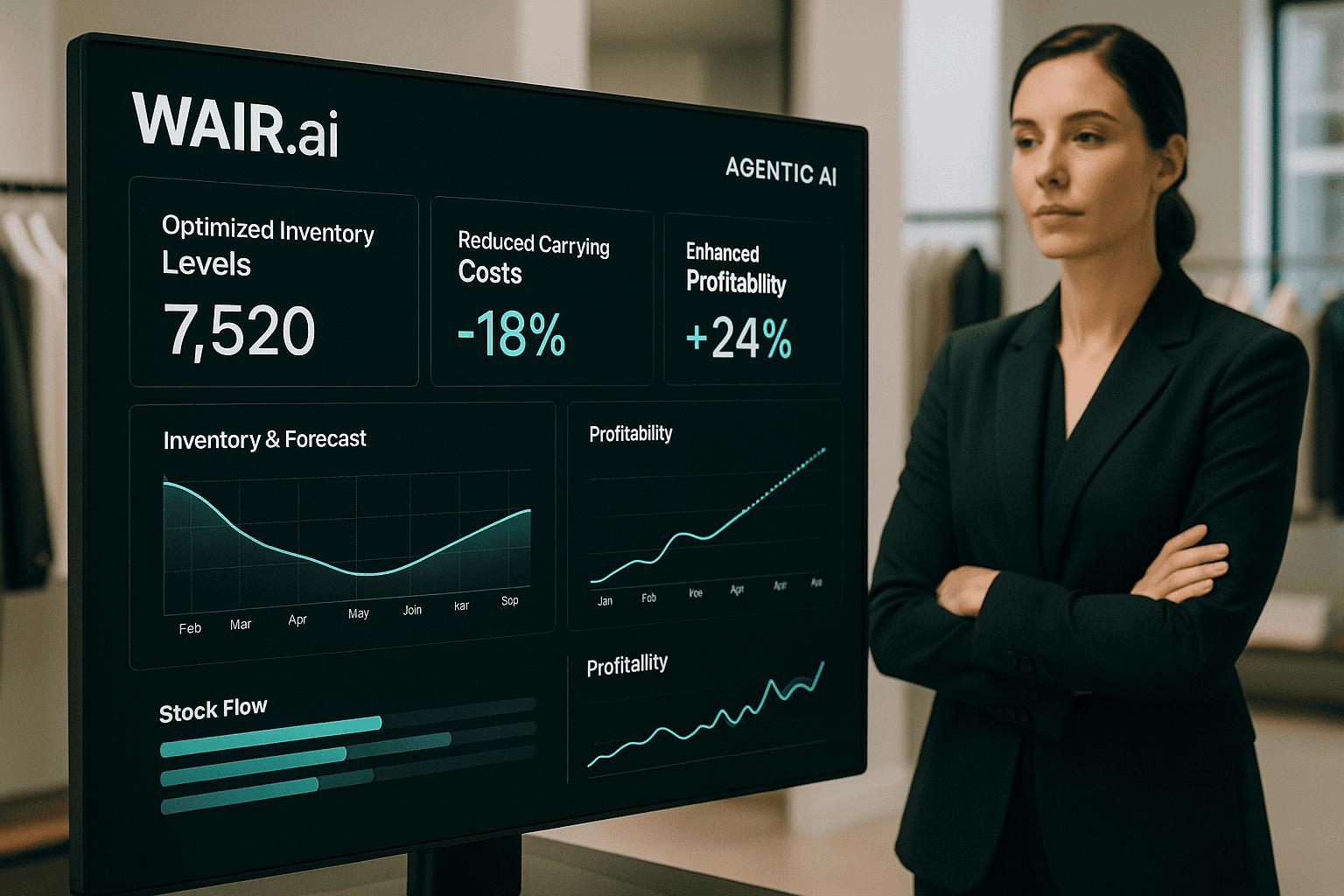
Streamline your supply chain, manufacturing processes, and inventory management to reduce costs. WAIR.ai helps retailers directly improve profitability by reducing overstock and improving sell through, which are critical for cost optimization in maturity.
- Supply chain optimization for cost reduction
Negotiate better deals with suppliers, optimize logistics, and reduce waste throughout the production and distribution process. Every saved dollar directly contributes to the bottom line.
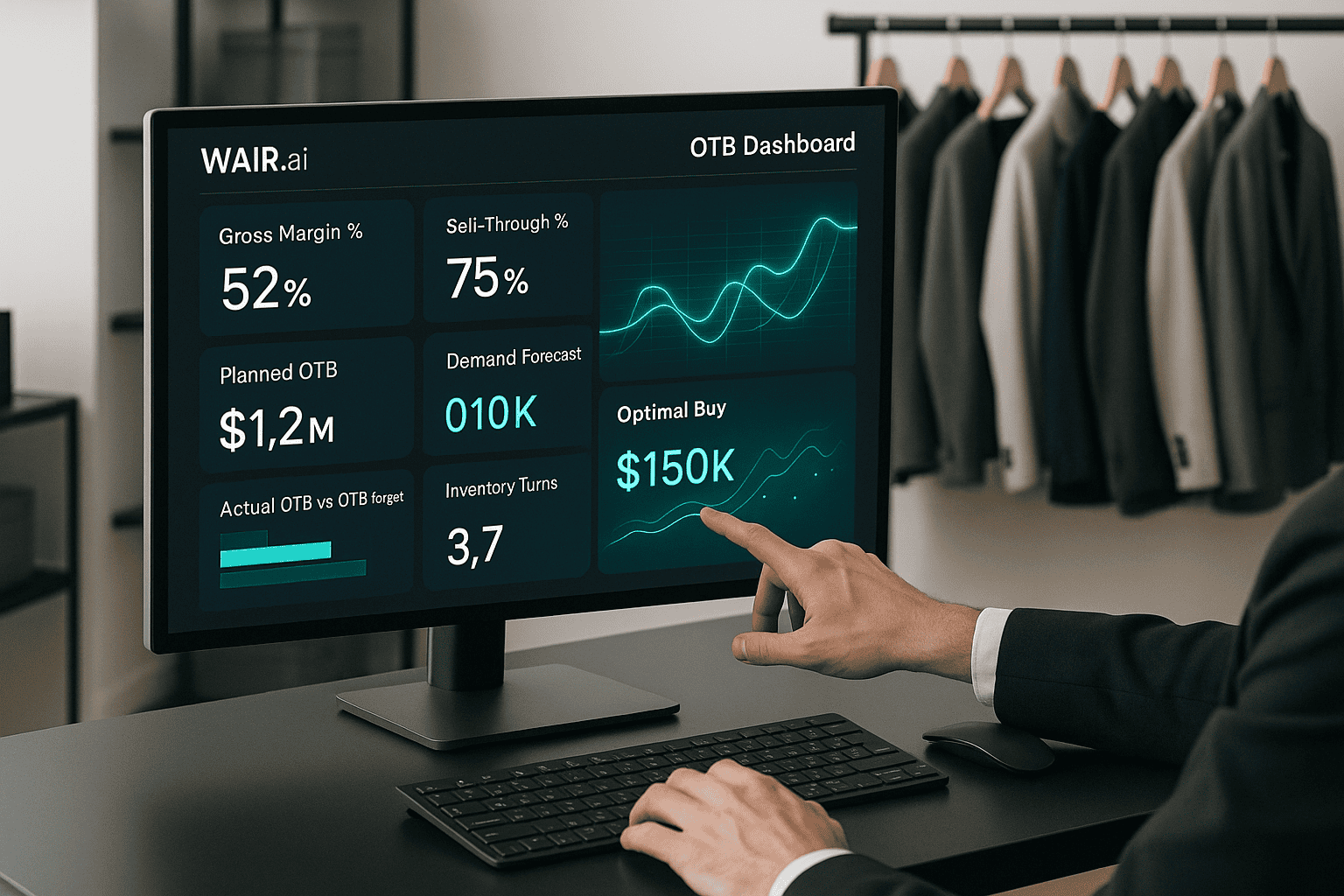
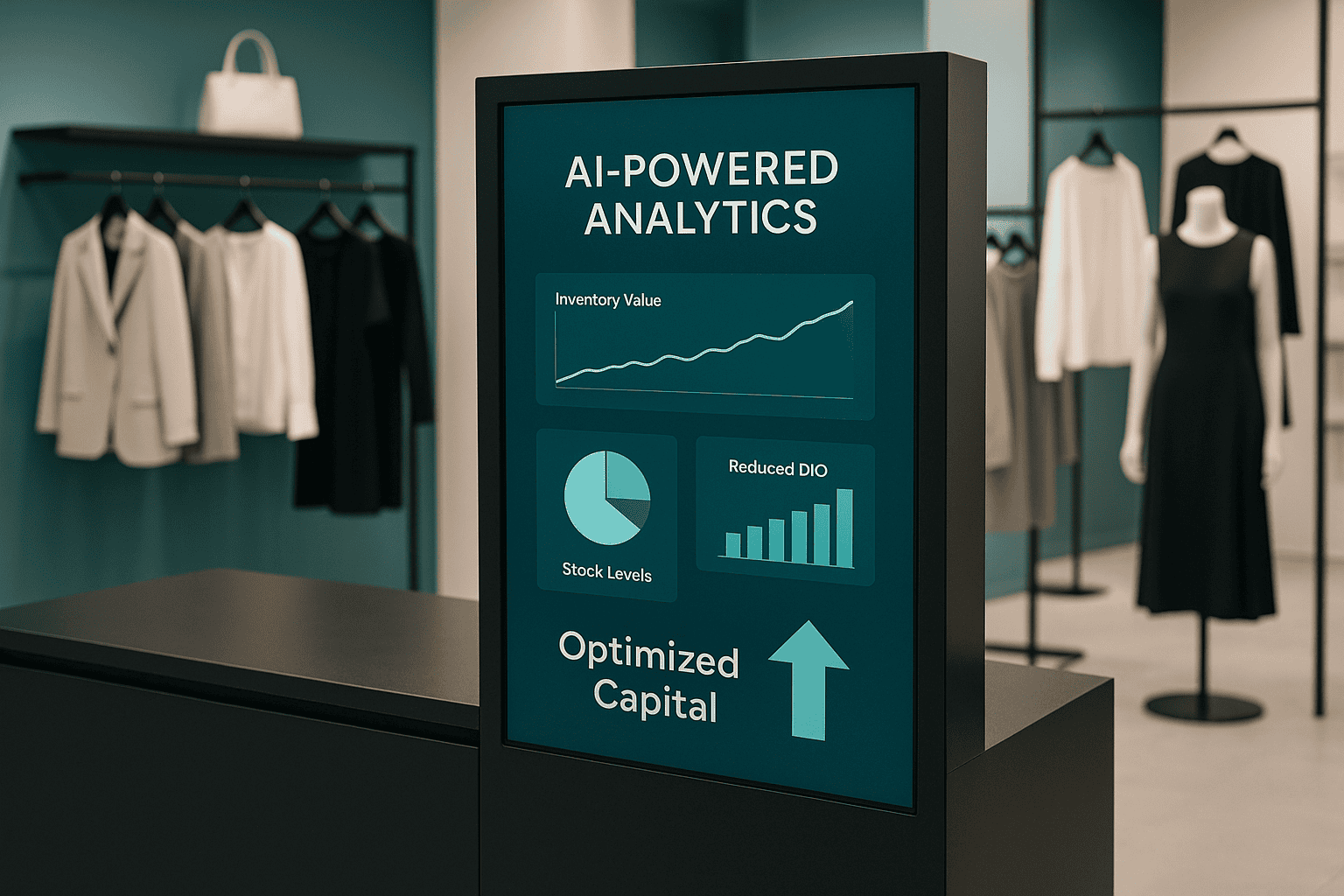
By implementing an agentic AI retail profitability efficiency system, you can gain granular insights into costs across your operations. This allows for proactive adjustments and strengthens your financial standing. Our insights into inventory efficiency and stock turn enhancement offer further guidance on reducing operational expenses.
Phase 4 data driven exit end of life decisions for aging inventory and profit
Eventually, all products enter a decline phase. How you manage this stage significantly impacts your overall profitability. The goal is to maximize residual value and minimize losses from aging inventory, not just to clear shelves.
Effective strategies for end of life decisions include:
- Strategic discounting
Rather than aggressive, blanket markdowns, use targeted promotions to move aging inventory. An AI markdown promotional inventory optimization solution can identify the optimal discount level to clear stock while preserving margin as much as possible.
- Bundling and repurposing
Combine declining products with faster moving items to increase their perceived value or create new product kits. This can breathe new life into stale inventory.
- Phased discontinuation
Gradually reduce production and distribution, ensuring you don’t overcommit to a product that’s losing demand. This allows for a graceful exit while exhausting existing stock.
- Ethical disposal
For unsellable items, explore options for recycling, donation, or responsible disposal to align with sustainability goals and potentially gain tax benefits, minimizing write offs.
- Leveraging AI for accurate forecasting
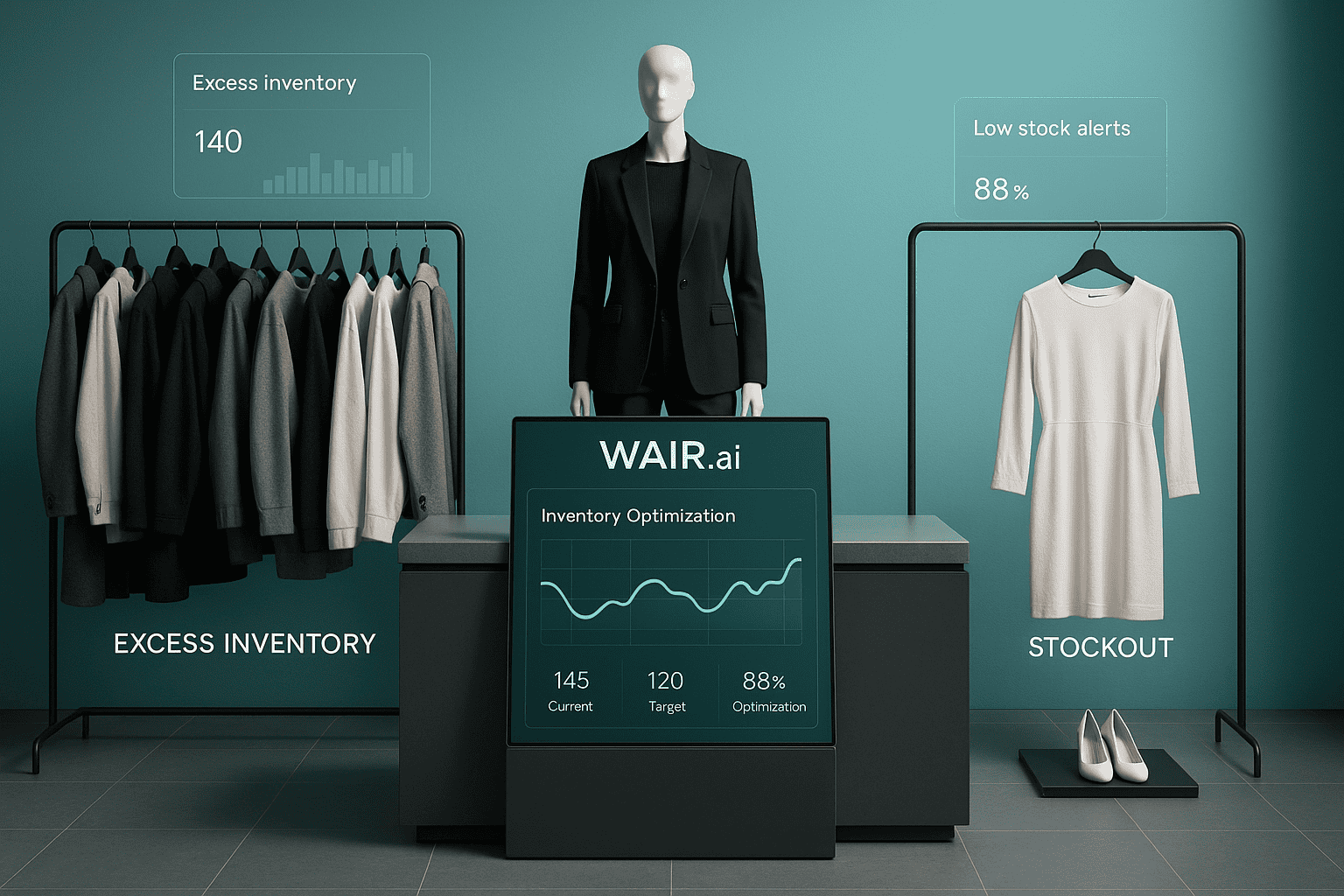
Using advanced AI demand forecasting fashion lifecycle ensures you anticipate decline earlier, allowing for more proactive inventory adjustments and minimizing the amount of “at risk” stock.
A unified approach to product lifecycle profitability with agentic AI
Managing product lifecycle profitability isn’t a series of disconnected tasks; it’s a continuous, integrated process. Each stage influences the next, and optimizing one without considering the others leads to suboptimal outcomes. This is where the power of agentic AI becomes indispensable.
An agentic AI company like WAIR.ai provides the crucial link, connecting initial pricing strategies with demand forecasting, inventory allocation, and markdown optimization. Our technology uses advanced deep learning models to predict demand with high accuracy, allowing you to set initial allocations, optimize replenishment, and strategically manage end of life inventory. This holistic view ensures that every decision, from a product’s inception to its retirement, is driven by data with a clear focus on financial outcomes.
Our solutions, like Wallie (Allocator) and Suzie (Content Creator), work in tandem. Wallie precisely manages inventory to reduce overstock and increase sell through, directly impacting margins. Suzie automates product content, saving time and costs while supporting global expansion. Together, they create a streamlined operation that enhances both backend efficiency and customer facing content. This approach provides a clear competitive edge over traditional tools that lack such advanced AI for inventory management capabilities.
Empowering your profitability journey with confidence
The journey through product lifecycle profitability management demands a partner who understands both the nuances of retail and the power of advanced AI. It requires insights that transform complex data into clear, actionable strategies you can trust. WAIR.ai is that partner, committed to helping fashion and lifestyle retailers with 30 or more physical stores achieve measurable results.
By adopting an integrated, agentic AI solution, you gain the confidence to make precise decisions that boost margins, reduce waste, and secure long term growth. It’s about moving beyond reactive problem solving to proactive, profit driven management.
Are you ready to transform your product lifecycle into a continuous stream of profitability? Discover how WAIR.ai can empower your retail business by exploring our solution offerings or by scheduling a meeting with our experts.
Frequently asked questions about product lifecycle profitability management
Q: What is product lifecycle profitability management?
A: Product lifecycle profitability management is a strategic approach that focuses on maximizing a product’s financial returns from its introduction to its eventual retirement, encompassing all stages like pricing, sales, cost optimization, and end of life inventory decisions.
Q: How can AI improve my product’s profitability?
A: AI improves profitability by providing precise demand forecasting, optimizing initial pricing, automating inventory allocation and replenishment, identifying cross sell and upsell opportunities, and strategically managing markdowns and end of life inventory to minimize losses and maximize residual value.
Q: Is WAIR.ai suitable for my retail business?
A: WAIR.ai is specifically designed for fashion and lifestyle brands with 30 or more physical stores, particularly those with extensive product catalogs and complex inventory needs, including those expanding internationally.
Q: What makes WAIR.ai different from other solutions?
A: WAIR.ai is an agentic AI company that offers a holistic, integrated solution combining inventory management (Wallie) and content creation (Suzie). Our proprietary deep learning models provide highly accurate demand forecasting and directly translate technology into measurable business outcomes, such as significant reductions in overstock and improved sell through, unlike traditional tools.
Q: Where can I learn more about WAIR.ai’s solutions?
A: You can explore more about our cutting edge solutions and frequently asked questions by visiting our FAQ section or by navigating through our website to see how we empower retailers to achieve sustainable profitability.