Have you ever pulled on a new running shirt or pair of leggings and felt like you were wearing the future? The performance fabrics are lighter, more breathable, and somehow works with your body in a way last season’s gear never could. It feels like magic, but it isn’t. Behind that breakthrough material is a complex process of research, development, and a very educated guess about what athletes will need next. For decades, that guess was based on intuition, trade shows, and slow moving trend reports. Today, it’s powered by artificial intelligence.
AI is changing the game by giving performance wear brands a new kind of crystal ball. Instead of just looking at what’s popular now, AI analyzes vast amounts of data to predict which new material technologies will capture the market tomorrow. This shift from reactive to predictive innovation allows brands to create products that meet consumer needs before consumers even know they have them. By leveraging agentic AI for retail, companies can move faster, reduce waste, and develop gear that truly enhances performance.
The old challenges of material forecasting
Traditionally, forecasting demand for new materials in the performance wear industry has been a high stakes guessing game. Product developers and designers relied on a mix of industry experience, supplier presentations, and competitor analysis. While valuable, this approach has significant limitations that often lead to costly mistakes, like investing heavily in a fabric that never gains traction or missing out on the next big thing.
This manual process is slow and often incomplete, leaving brands vulnerable to sudden shifts in consumer preferences or technological advancements. The result is a cycle of overproduction of unwanted goods and missed opportunities, directly impacting profitability and sustainability.
Key limitations of traditional methods
The conventional approach to material innovation is fraught with inefficiencies. Brands often operate with blind spots, unable to see the full picture of emerging trends until it’s too late.
- Reliance on intuition
Decisions are often based on the gut feelings of a few key individuals rather than broad, data driven insights.
- Slow feedback loops
It can take months or even years to gather and analyze feedback on new materials, by which time the market has already moved on.
- Incomplete data
Teams are typically limited to analyzing sales data and industry reports, missing the crucial conversations happening in scientific communities and among hardcore users.
How AI provides a new lens for innovation
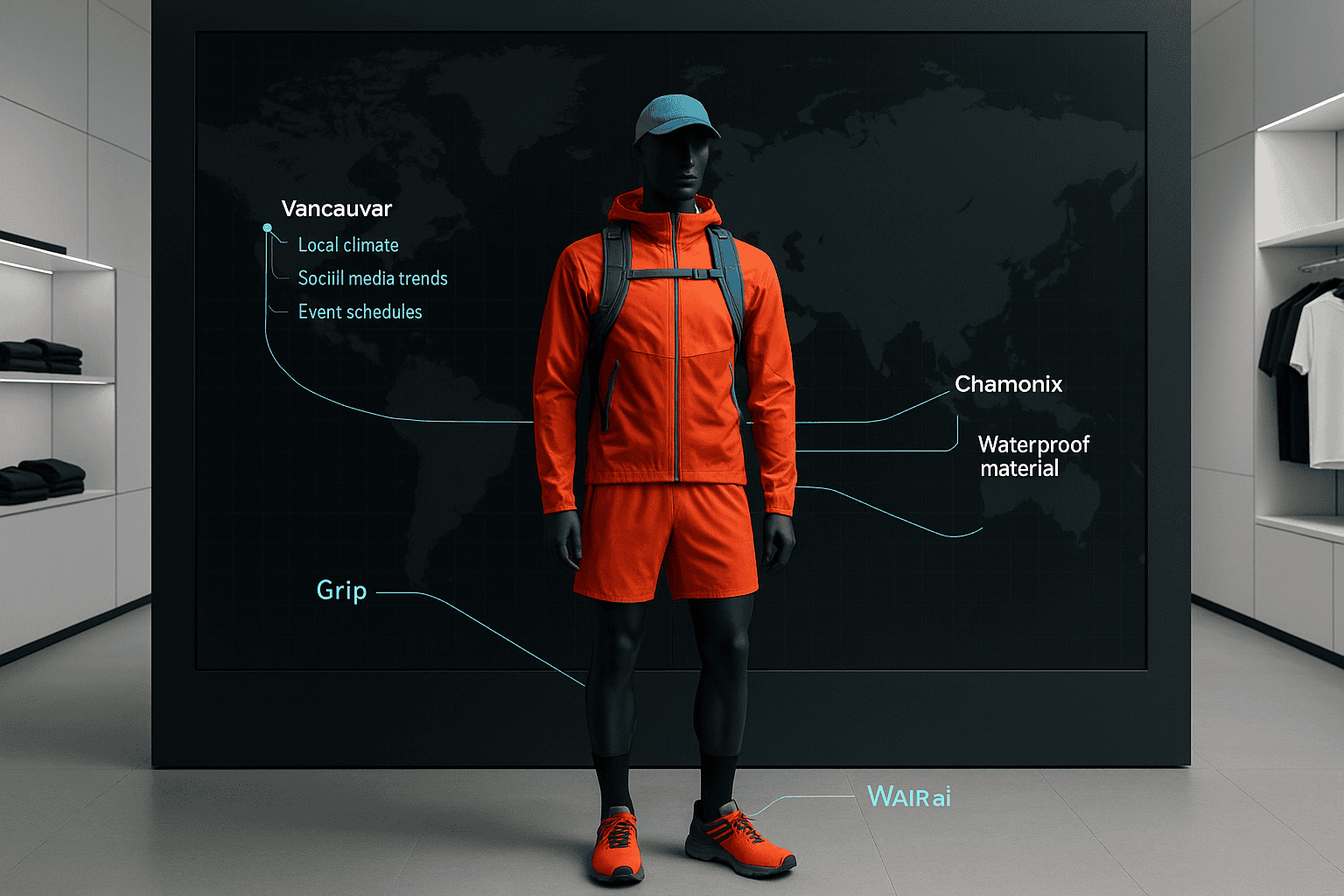
AI fundamentally changes how brands discover and validate new material technologies. Instead of relying on a narrow set of historical data, AI casts a wide net, analyzing millions of data points from diverse, often overlooked sources. This allows it to identify faint signals of innovation and connect them to emerging consumer demands long before they become mainstream trends.
This process involves teaching machines to read, understand, and categorize unstructured information from patents, scientific papers, and online forums. It’s a powerful application of AI demand forecasting tools that goes beyond simple sales predictions to forecast the very building blocks of future products.
Tapping into the patent pipeline
Every new material technology begins as an idea, and many of those ideas are first documented in patent filings. These documents are a goldmine of information about the future of textiles, detailing everything from self healing fabrics to yarns infused with cooling minerals. Manually tracking and analyzing these patents is an impossible task for any human team.
AI, however, can scan thousands of patent applications in minutes. It uses natural language processing (NLP) to understand the technical specifications and identify which innovations are gaining momentum. By tracking the velocity of patents filed for a specific technology, such as graphene integration or biodegradable polymers, AI can flag it as a trend to watch.
Decoding scientific breakthroughs
The journey from a laboratory discovery to a commercial product can be long, but the earliest signals often appear in scientific research papers. AI algorithms can sift through academic journals and research databases to pinpoint which areas of material science are receiving the most attention and funding.
This allows brands to see what’s coming out of the world’s top research institutions. For example, AI might detect a growing number of studies on bio integrated electronics in fabrics, signaling a future where clothing can monitor vitals without bulky sensors. This gives product teams a significant head start, allowing them to explore partnerships or internal R&D long before competitors.
Listening to the voice of the athlete
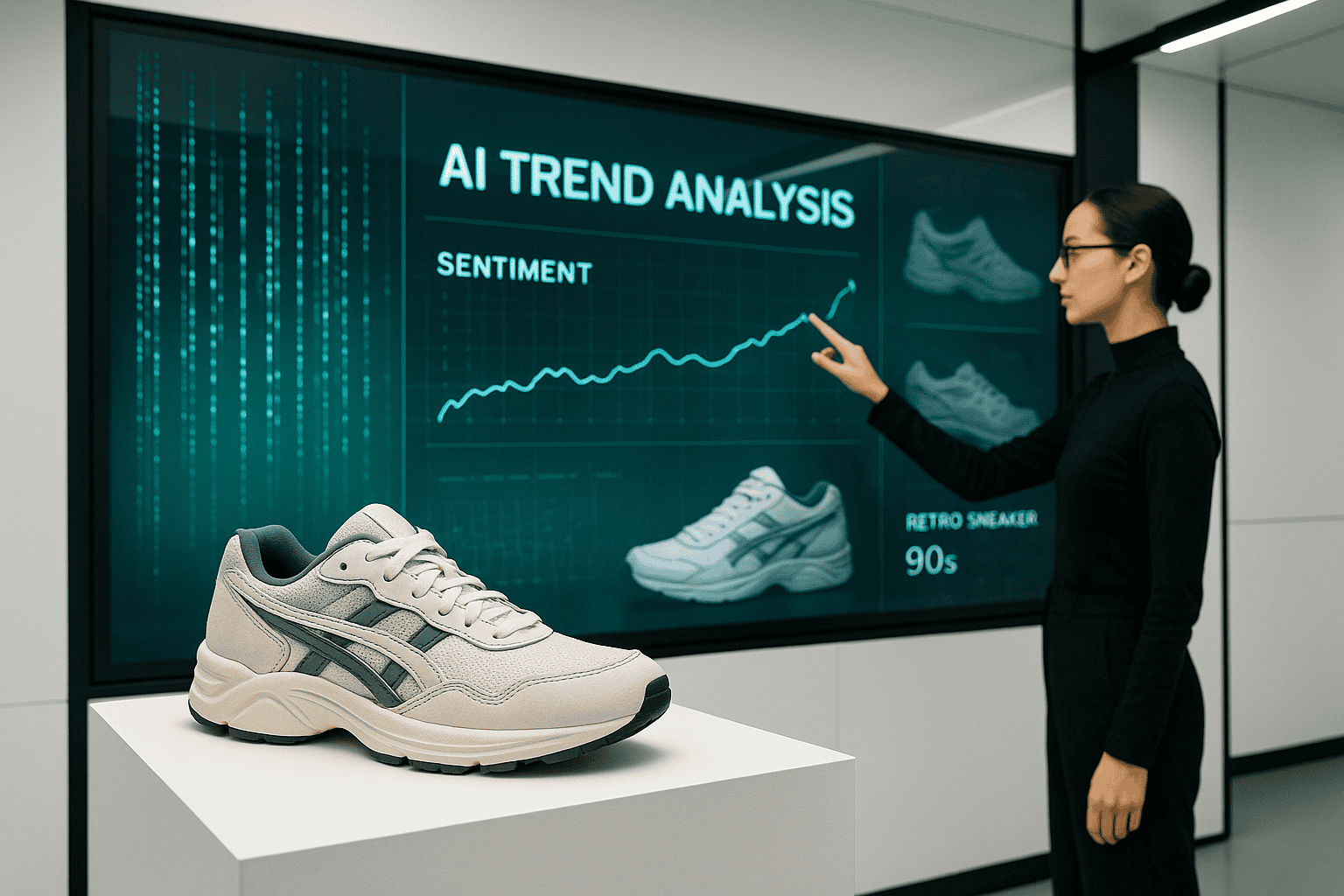
Perhaps the most crucial data source is the end user. Dedicated athletes and gear enthusiasts are constantly discussing what they love, hate, and wish for in their apparel on forums, blogs, and product review sites. These conversations are filled with candid, specific feedback about material performance in real world conditions.
AI can analyze these conversations at a massive scale, identifying unmet needs and desires. It can pick up on recurring complaints about chafing, poor moisture management in humid climates, or a lack of durability in certain fabrics. This direct feedback loop is invaluable, as it connects the dots between a technical innovation found in a patent and a real problem that consumers are willing to pay to solve. It ensures that innovation is driven by genuine demand, not just novelty.
Turning predictive insights into market success
Having access to these insights is one thing, turning them into a competitive advantage is another. An agentic AI company helps brands translate these complex data signals into clear, actionable strategies that drive tangible business results. By knowing which material technologies have the highest potential, brands can de-risk their innovation pipeline and focus their resources where they will have the greatest impact.
This data driven approach to material selection leads to better products, happier customers, and a healthier bottom line. It helps retailers avoid the high costs of overstock and markdowns associated with failed product launches and builds a reputation for being at the forefront of innovation.
Here are a few key benefits of using AI for material forecasting:
- Reduced investment risk
Brands can confidently invest in new materials backed by data from scientific, patent, and consumer sources, minimizing the risk of backing a technology that fails to resonate.
- Accelerated innovation cycles
By identifying promising technologies early, companies can shorten their R&D and product development timelines, bringing breakthrough products to market faster.
- Improved product market fit
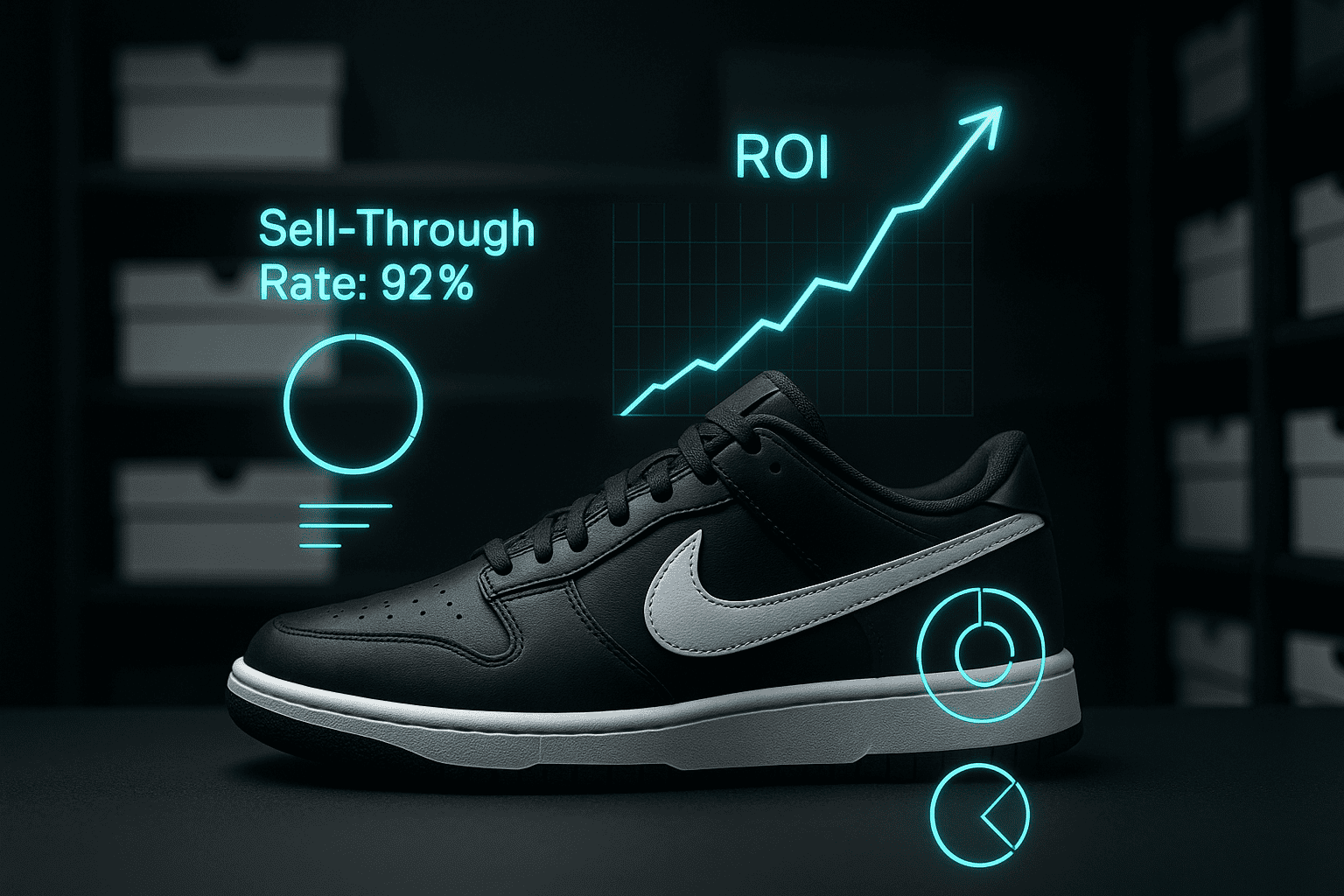
Products are developed with a deep understanding of genuine consumer needs, leading to higher sell through rates and greater brand loyalty.
- Enhanced sustainability
AI can specifically identify emerging eco friendly and circular materials that consumers are actively seeking, supporting sustainable retail strategies and reducing environmental impact.
Gain your competitive edge with predictive intelligence
The future of performance wear will be defined by brands that can anticipate the needs of tomorrow’s athletes. Relying on outdated forecasting methods is no longer a viable strategy in a market that moves at the speed of innovation. By embracing AI, you can move beyond guessing and start making data driven decisions about your most critical product component: the materials.
Adopting this forward looking approach allows you to build a smarter, more resilient business. You can learn more about how to get started by exploring a complete guide to AI forecasting and discovering the power of predictive analytics.
Frequently asked questions
Q: What kind of AI is used to analyze these different data sources?
A: This type of analysis primarily uses Natural Language Processing (NLP) to understand text from patents, research papers, and forums, combined with machine learning models to identify patterns and forecast trends over time.
Q: How accurate are AI predictions for new material technologies?
A: The accuracy is significantly higher than traditional methods because the AI synthesizes data from multiple, independent sources. By correlating a scientific trend with patent activity and consumer demand, the prediction becomes much more reliable.
Q: Can smaller brands afford to use this kind of advanced AI?
A: Yes, the accessibility of AI is growing. Agentic AI companies like WAIR.ai are developing solutions that make this powerful technology available to a wider range of retailers, not just a handful of global giants.
Q: How is this different from regular trend spotting?
A: Traditional trend spotting often focuses on aesthetic trends seen on social media or runways. AI based material forecasting is a deeper, more technical analysis of the underlying scientific and intellectual property data, predicting functional innovation rather than just stylistic changes.