Imagine this scenario, a globally famous musician wears a pair of brightly colored, retro-inspired running shoes in a music video. Within hours, social media explodes. Your brand rushes to produce thousands of pairs, anticipating a massive sellout. But three months later, the hype has vanished, the celebrity has moved on, and you are left with a warehouse full of shoes nobody wants. This expensive mistake highlights a billion dollar question for sportswear brands, how do you separate a fleeting, celebrity driven fad from a genuine, long term consumer trend?
In today’s fast paced market, betting on the wrong horse leads to devastating financial losses and contributes to the problem of why overstocking must be prevented. The challenge is that traditional forecasting methods, which rely on historical sales data and expert intuition, are often too slow to keep up with the speed of digital culture. This is where artificial intelligence changes the game, offering a new way to analyze and understand consumer behavior in real time.
The new forecasting frontier
For decades, trend forecasting involved analyzing runway shows, tracking street style, and relying on the instincts of seasoned professionals. While valuable, this approach struggles to process the sheer volume and velocity of data generated by social media, online forums, and digital media. A single viral TikTok video can create the illusion of a massive trend overnight, making it difficult to gauge its true staying power.
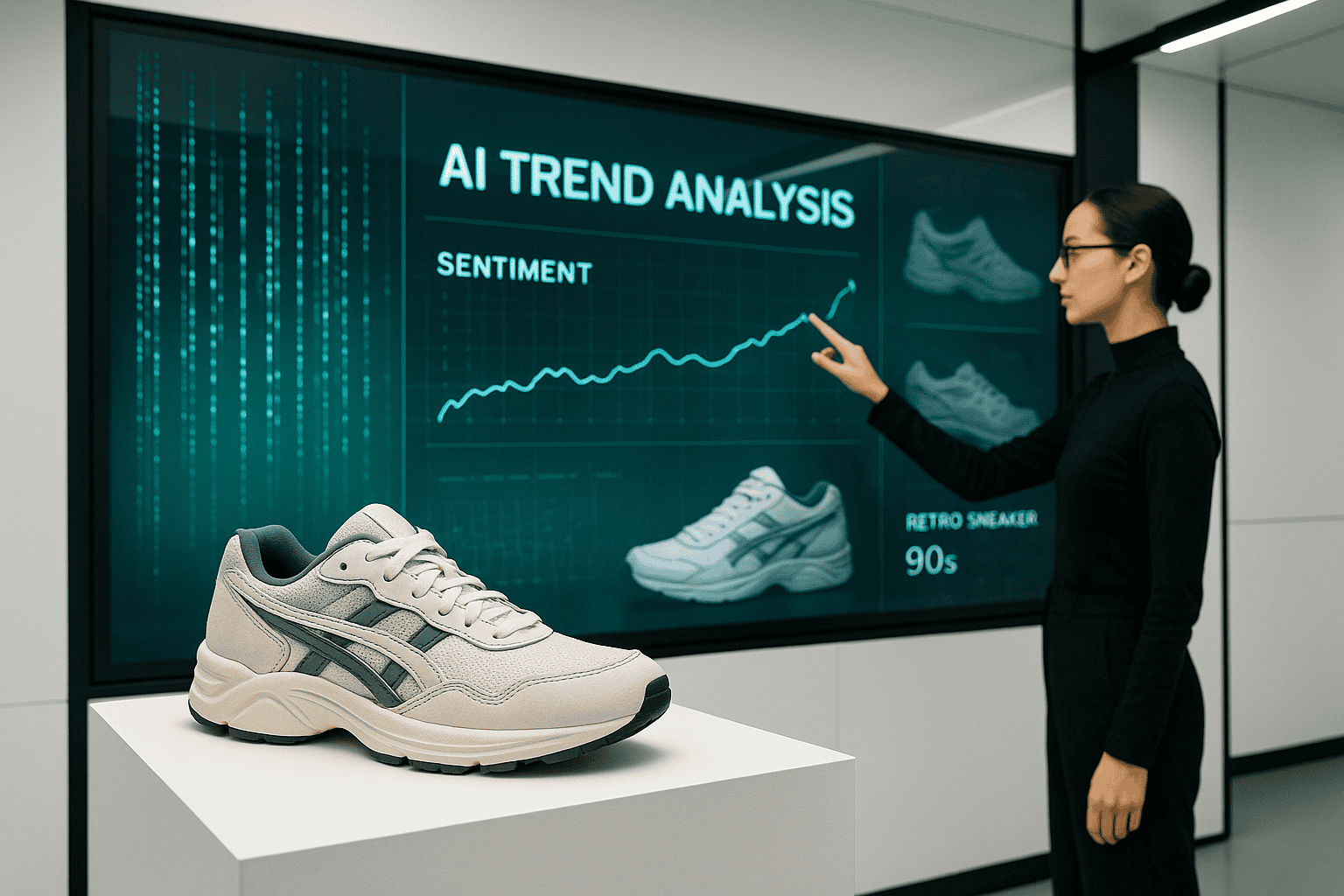
Agentic AI systems provide a solution by shifting the focus from slow, manual analysis to automated, data-driven insight. Instead of just looking at what sold last year, these systems analyze millions of real-time data points to understand what consumers are talking about, searching for, and wearing right now. This evolution in demand forecasting tools empowers brands to make faster, more accurate decisions based on live market signals rather than educated guesses.
The AI trend longevity model
So, how does an algorithm actually distinguish between a fad and a trend? It is not about simply counting mentions. Sophisticated AI uses a multi-faceted framework to evaluate the quality and character of a trend’s momentum. We call this the AI Trend Longevity Model, which is built on five key signals.
Source: Celebrity vs organic adoption
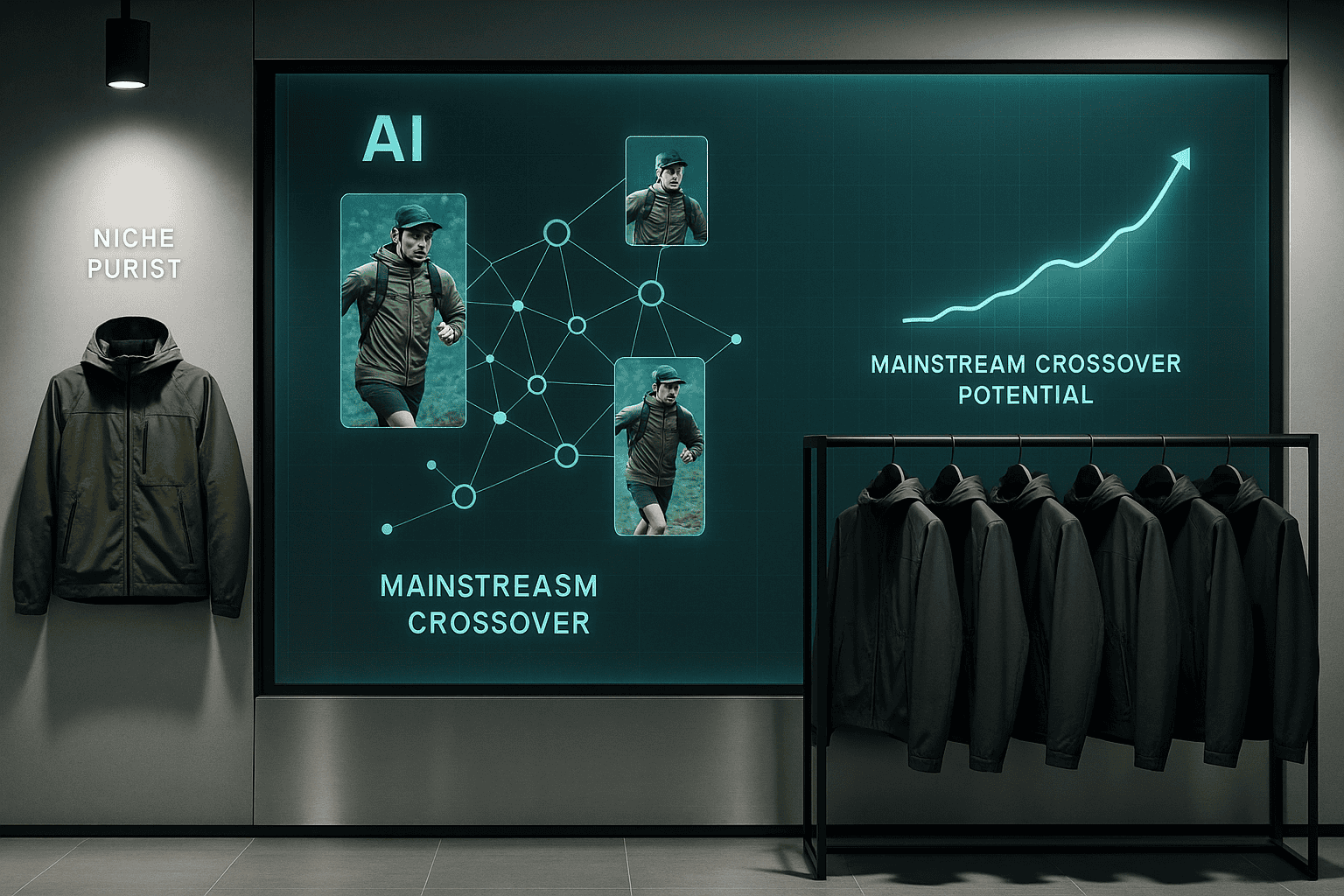
The origin of a trend is a critical indicator of its potential longevity. AI algorithms analyze where the conversation began. Was it sparked by a single high profile celebrity endorsement, or did it emerge organically from niche communities like dedicated running clubs, skateboarding forums, or outdoor enthusiast groups? A trend with grassroots origins is often more durable because it is rooted in a genuine lifestyle shift, not just a fleeting moment of influence.
Velocity: The speed of the conversation
Velocity measures how quickly a trend accelerates. A fad often appears like a rocket, with an explosive and sudden spike in mentions and search interest. A sustainable trend, on the other hand, typically shows a steadier, more organic growth curve. While it may also grow quickly, its ascent is more consistent and less erratic, indicating a deeper, more gradual adoption by the market.
Sentiment: The emotion behind the mention
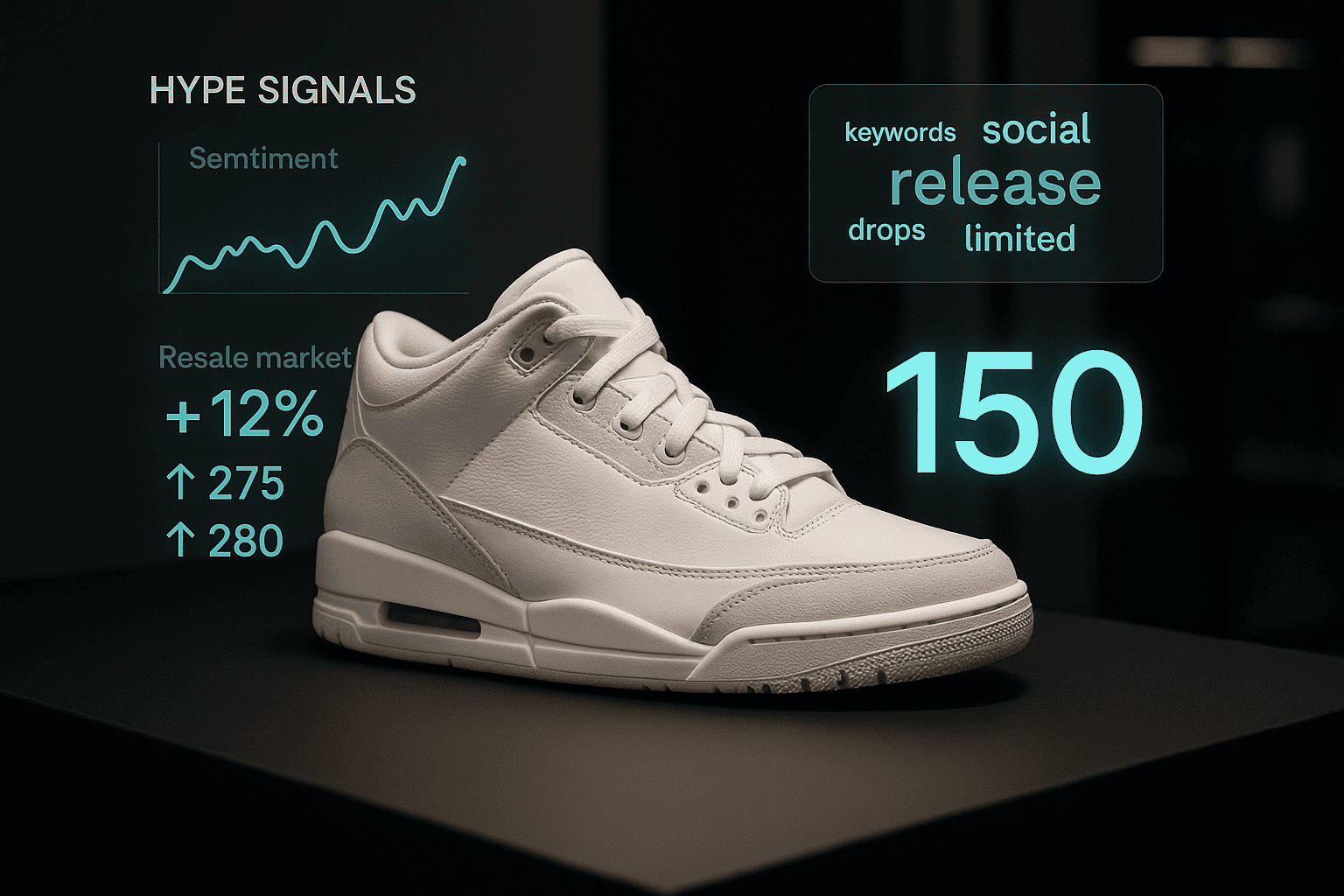
AI goes beyond simply counting keywords, it analyzes the emotional context of the conversation. Are people expressing genuine excitement and a desire to purchase, or is the sentiment ironic or even negative? A fad might generate a lot of buzz, but if the underlying sentiment is mockery or it is tied to a short lived meme, it lacks the positive emotional foundation needed for long term success.
Spread: Demographic and geographic reach
A key sign of a sustainable trend is its ability to cross boundaries. AI can map the spread of a conversation across different age groups, geographic locations, and related interest groups. A fad is often confined to a narrow demographic or a single social media platform. A true trend, however, will start to appear across multiple channels and resonate with a broader audience, signaling its relevance and wider appeal.
Shelf life: Predicting the trend’s duration
Using predictive analytics, AI models can forecast the likely duration of a trend by comparing its data signature to millions of historical examples. By analyzing the decay rate of similar past trends, the AI can assign a probability score to its potential shelf life. This allows brands to differentiate between an item that will be in demand for a few weeks versus a style that could become a core part of their collection for several seasons.
Why a viral moment is not a sustainable movement
It is crucial to remember that AI is a powerful tool for analysis, not a crystal ball. Its greatest strength is its ability to process vast amounts of data and identify patterns that a human team could never spot. However, the data tells you the “what,” not the “why.” This is where the synergy between artificial intelligence and human expertise becomes essential. For a deeper dive into this, explore the concepts of human AI collaboration.
An AI can tell you that searches for “Gorpcore” (functional, outdoor inspired apparel) are steadily rising across multiple demographics. But it takes a human strategist to understand the “why”, a broader cultural shift toward health, wellness, and outdoor activities. Over indexing on a single viral moment without understanding its cultural context is a recipe for overproduction. The most successful brands use AI to surface data driven opportunities and then apply human creativity and market knowledge to make the final strategic decisions.
Putting AI insights into action
Integrating AI into your trend forecasting process does not have to be an overwhelming overhaul. It is about asking the right questions and focusing on the right data signals. By taking a structured approach, you can begin to leverage these powerful insights to make smarter inventory and design choices.
To get started, consider the following checklist to guide your team. This framework helps you move from simply observing data to actively interrogating it for actionable intelligence, ensuring you are investing in trends with real lasting power. Building a more sustainable and profitable future.
Ultimately, the ability to accurately distinguish between a fad and a trend has implications far beyond the bottom line. Every time a brand invests in a fad that quickly dies, the unsold inventory often ends up in landfills, contributing to the fashion industry’s environmental footprint.
By using AI to make more precise inventory decisions, sportswear brands can align business sustainability with environmental sustainability. Better forecasting leads to less overproduction, which means less waste and a healthier planet. This approach not only protects profit margins but also builds a more responsible and resilient business model. As brands look to the future, leveraging agentic AI for sustainable production is no longer just an advantage, it is a necessity.
Frequently asked questions
Q: What is the main difference between a fad and a trend?
A: A fad is a short lived, intense burst of popularity, often driven by a single event or person and confined to a narrow audience. A trend is a more sustainable, long term shift in consumer behavior that grows more organically and is adopted by a wider demographic.
Q: How does AI analyze data to predict trends?
A: AI uses natural language processing, computer vision, and machine learning to analyze millions of data points from social media, search engines, forums, and retail sites. It identifies patterns related to the source, velocity, sentiment, and spread of a conversation to assess its longevity.
Q: Can AI replace human trend forecasters?
A: No, AI is a tool to augment, not replace, human expertise. AI excels at processing massive datasets to identify what is happening, but human forecasters are essential for interpreting the cultural context and understanding why it is happening.
Q: Why is it important to distinguish between fads and trends in sportswear?
A: Misinterpreting a fad as a trend can lead to significant overstock, lost revenue, and brand damage. For sportswear brands, accurately identifying long term trends ensures product relevance, protects profitability, and reduces waste, contributing to a more sustainable business model.