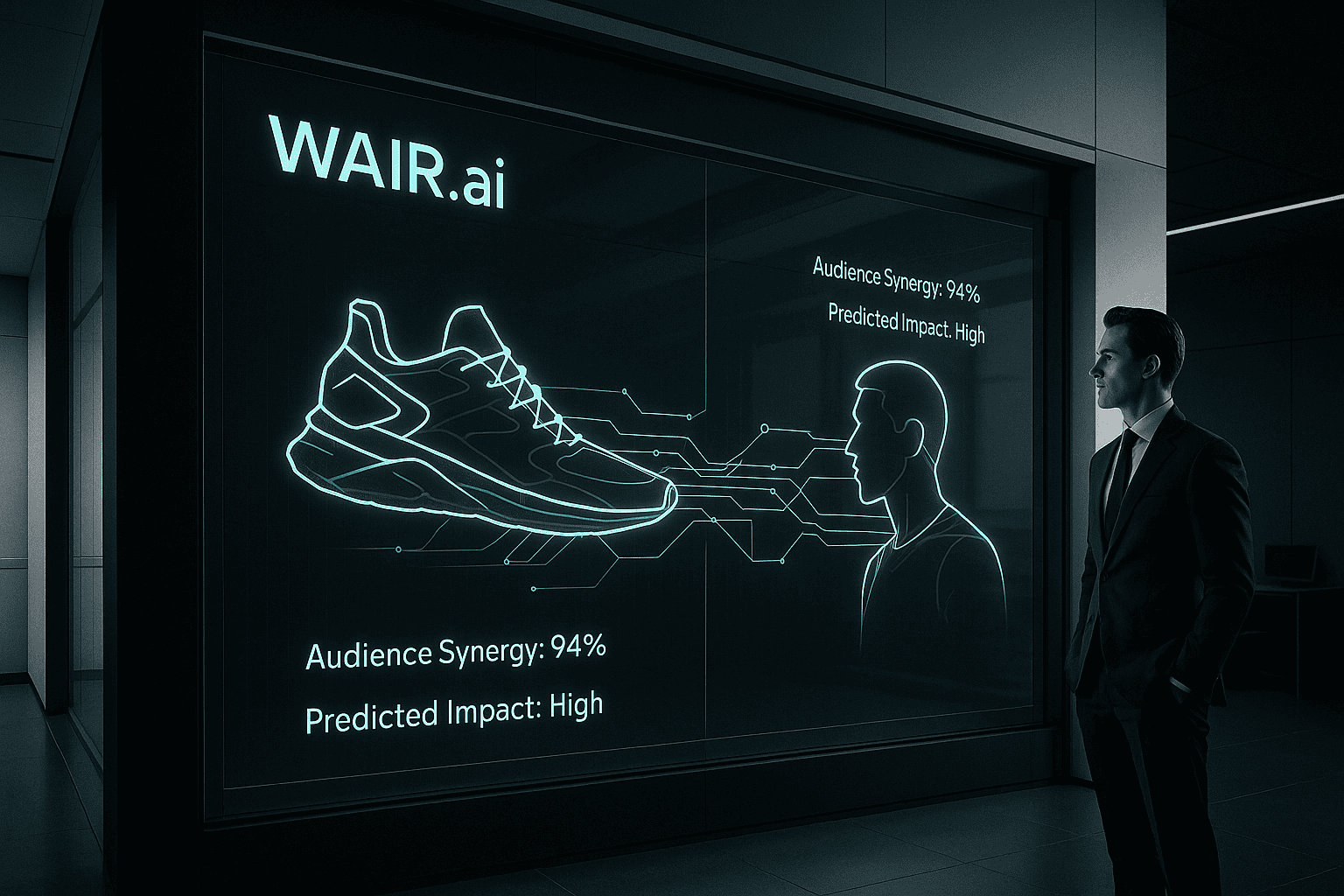
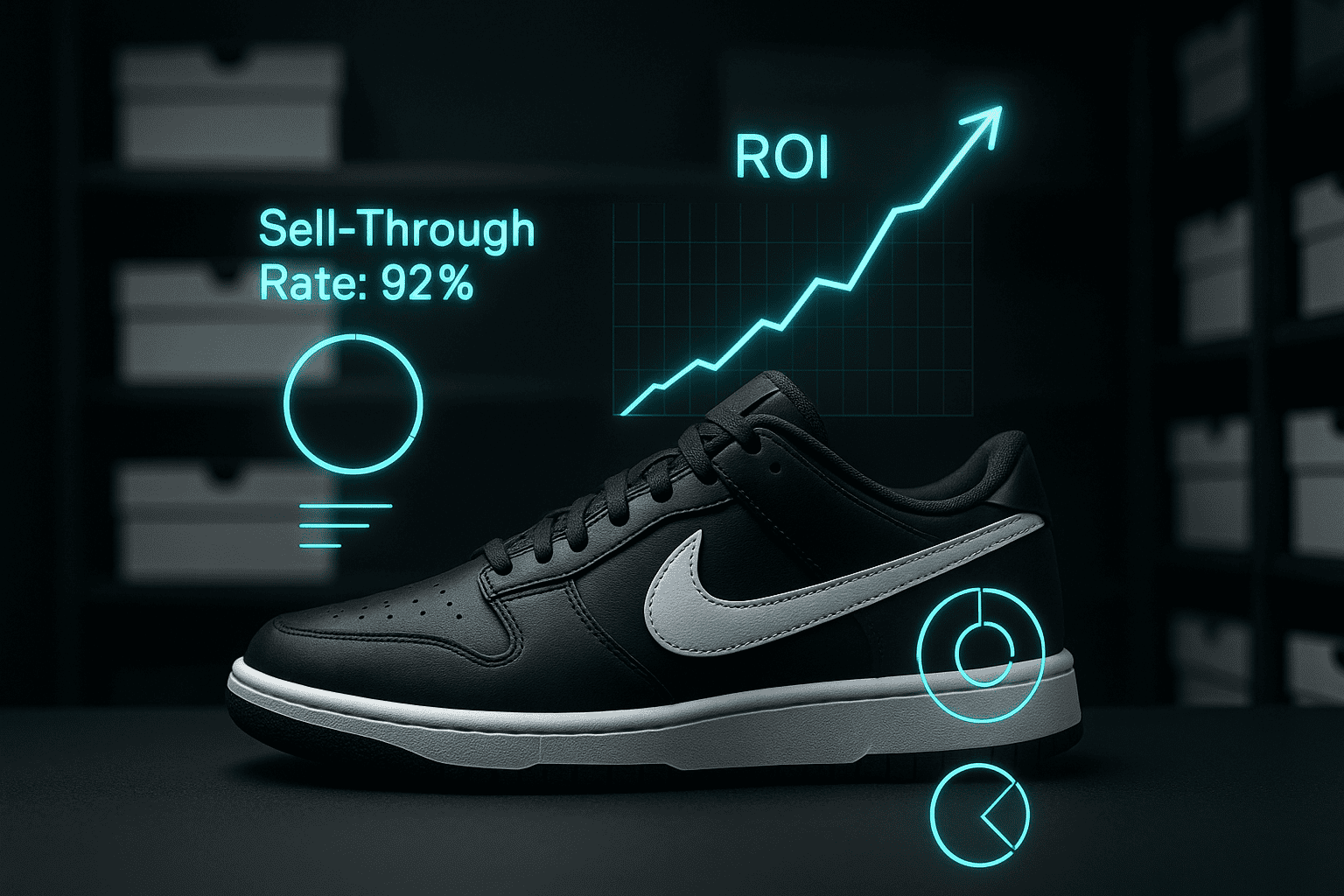
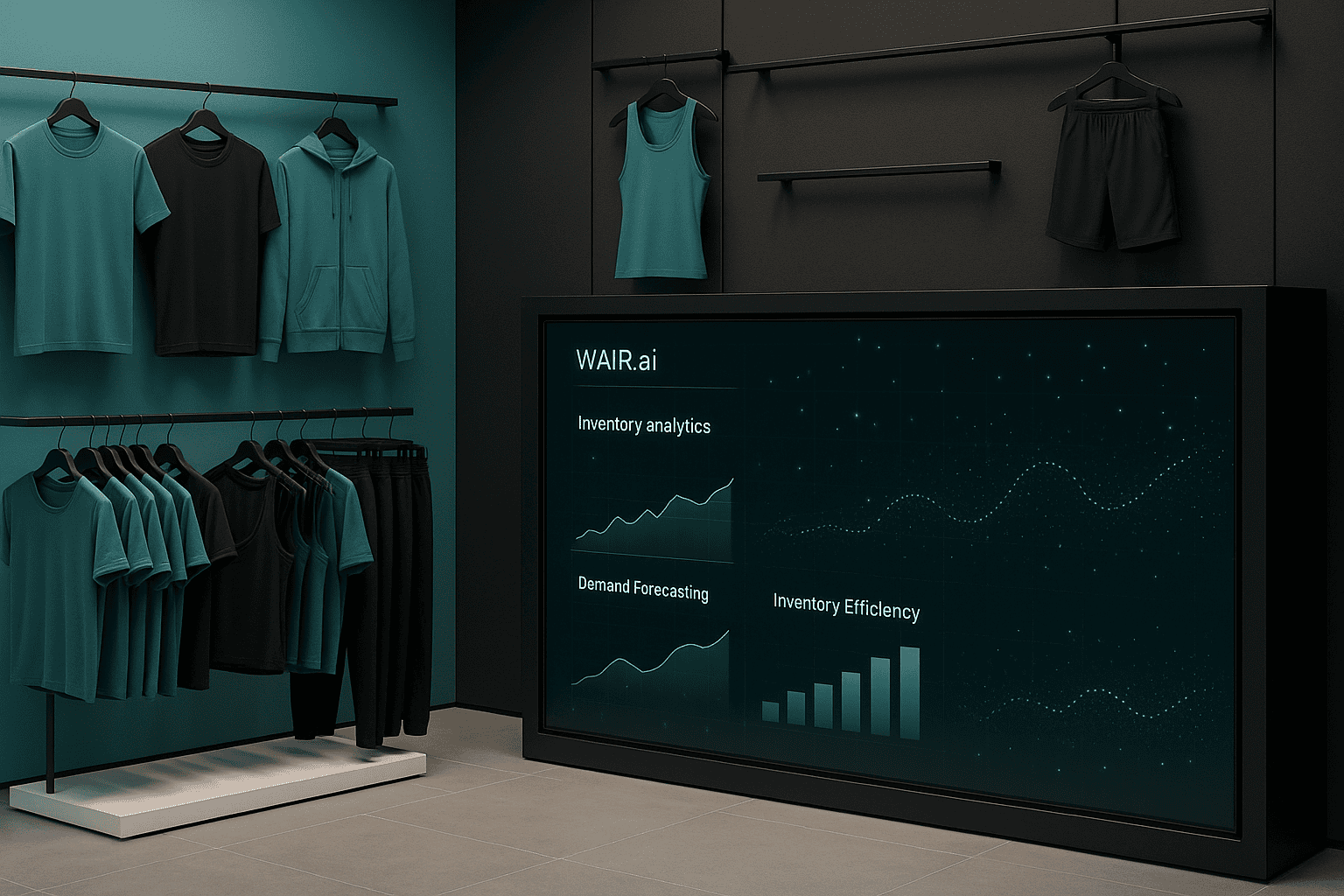
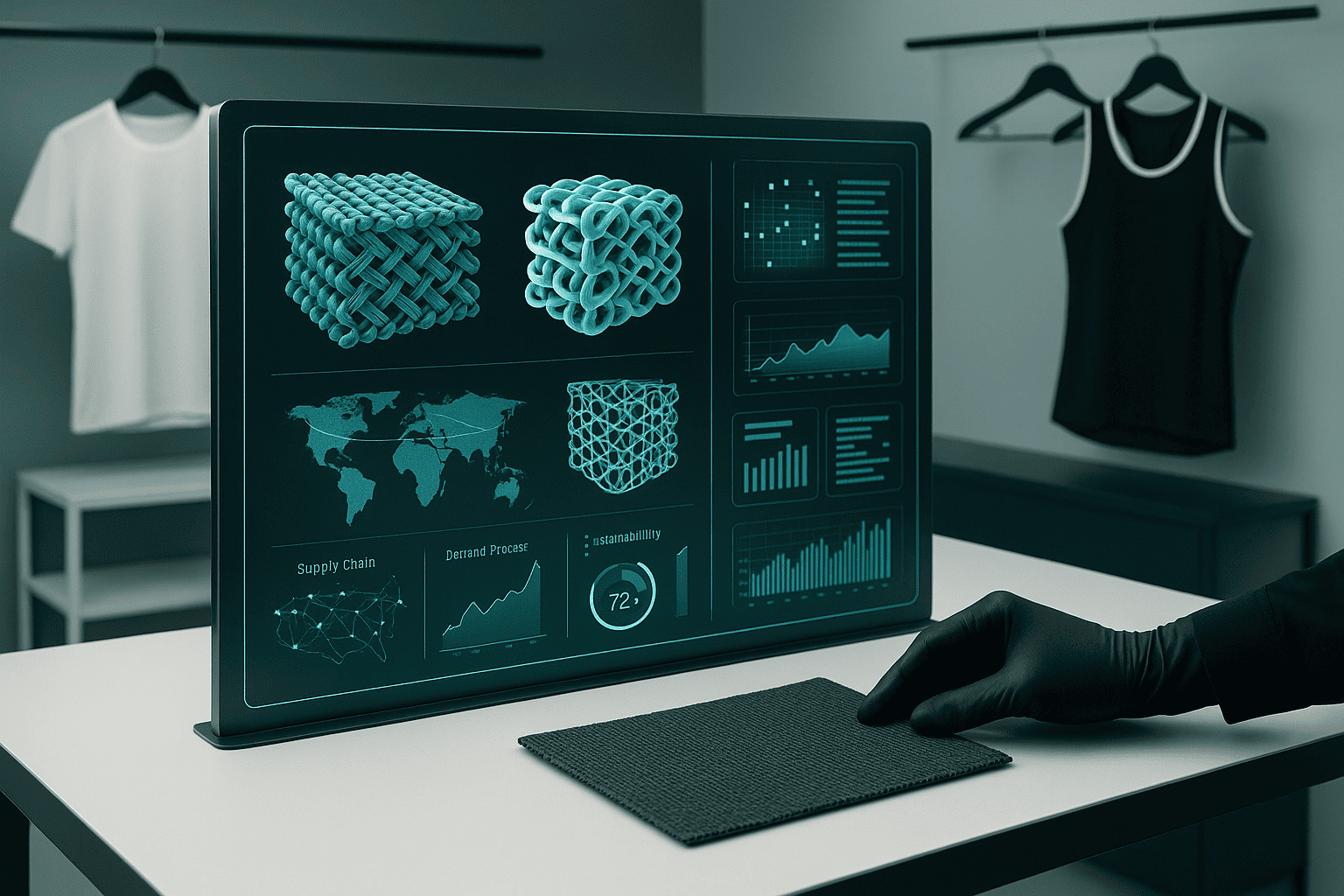
It happens every few seasons. A specific style seemingly comes out of nowhere and suddenly dominates the market. One year, it’s the functional, outdoorsy aesthetic of “gorpcore” making its way from hiking trails to city streets. Next, it’s the pleated skirts and visors of pickleball moving from the court to casual weekend wear. For fashion and sportswear brands, being late to these trends means missing a massive opportunity and facing the challenge of managing overstock on last season’s sportswear trend.
The key to capitalizing on these shifts is about seeing the trend at its source. The most powerful cultural movements in apparel begin in small, passionate communities. But how can a brand possibly monitor every emerging sport and subculture? The answer lies in training AI to recognize the faint signals of a future bestseller long before it becomes obvious, turning deep-niche aesthetics into predictable mainstream demand.
From niche passion to mainstream fashion the trend origination funnel
Every major sportswear trend follows a predictable path of adoption, a journey from a small group of core enthusiasts to the mass market. Understanding this journey is the first step in learning how to predict it. We can visualize this path as a funnel, where an aesthetic’s influence grows as it moves through distinct stages of adoption.
This model, The Trend Origination Funnel, provides a clear framework for how an apparel trend matures. It starts with the “Purists,” the dedicated athletes and hobbyists who prioritize function and authenticity. Their gear choices create an aesthetic that gets noticed by “Aspirational” participants and early adopters. From there, fashion forward influencers pick up on the style, stripping it of some of its technical context and introducing it to a broader audience. Finally, it hits the mainstream market, adopted by major brands and consumers. Agentic AI provides the tools to track products and styles as they move through this funnel in real time.
How AI decodes the DNA of an emerging trend
Traditional trend forecasting often relies on intuition and manual analysis, making it slow and subject to bias. An agentic AI company like WAIR.ai uses a more scientific approach, breaking down the process into three core components: gathering the right data, training AI to see what humans miss, and identifying the precise moment a trend is ready to cross over.
Gathering the right data beyond social media
To truly understand a nascent trend, you have to look where the purists are. While mainstream social media is important, the most valuable data often lives in less obvious places. AI systems are designed to pull from a vast and diverse set of sources to get a complete picture.
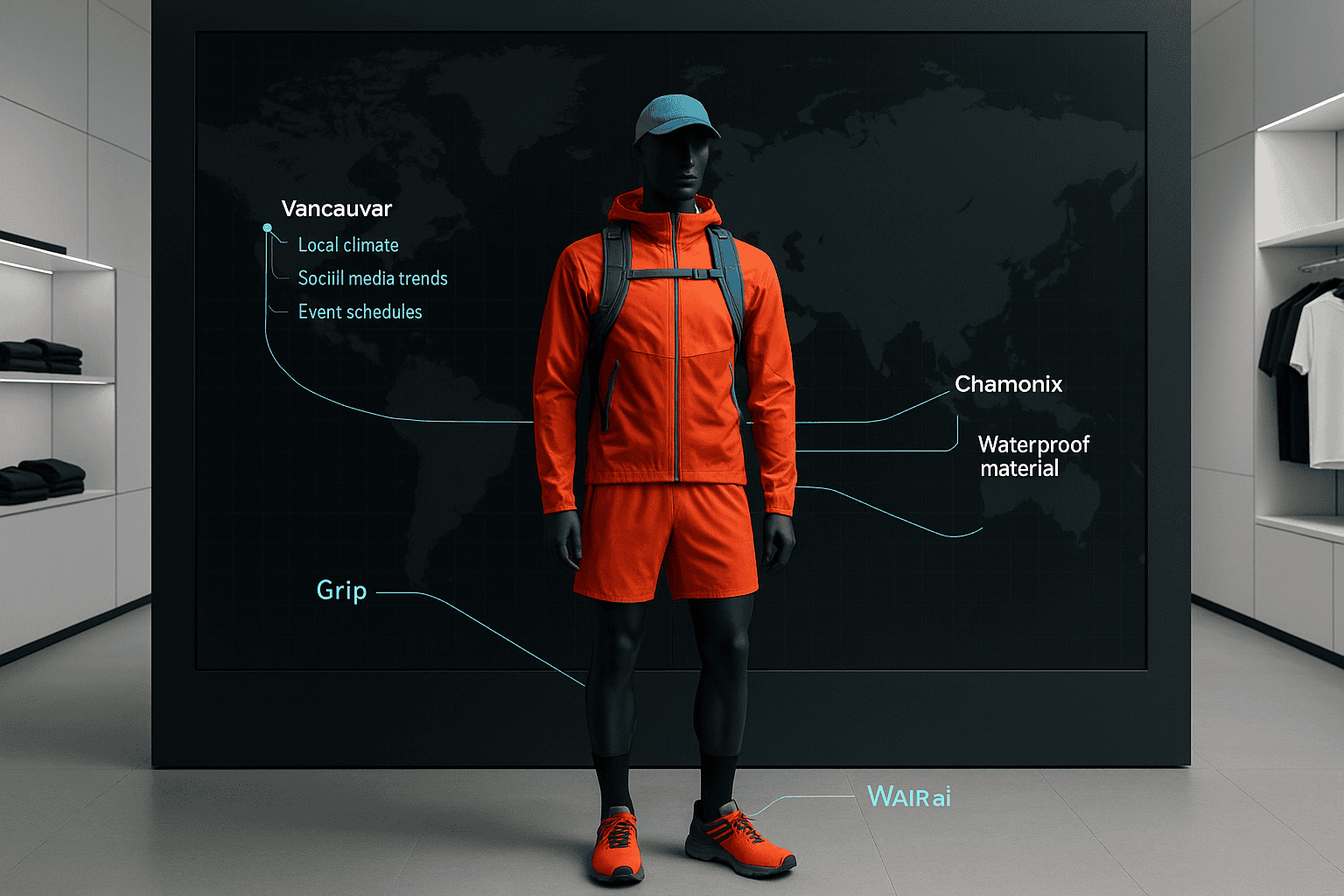
These data streams go far beyond typical analytics, including everything from niche e-commerce sales data and discussions on specialized forums to geotagged posts at climbing gyms or tennis clubs. This comprehensive approach to building a retail AI data foundation allows the AI to understand not just what people are wearing, but the context in which they are wearing it.
Training AI to see what humans miss
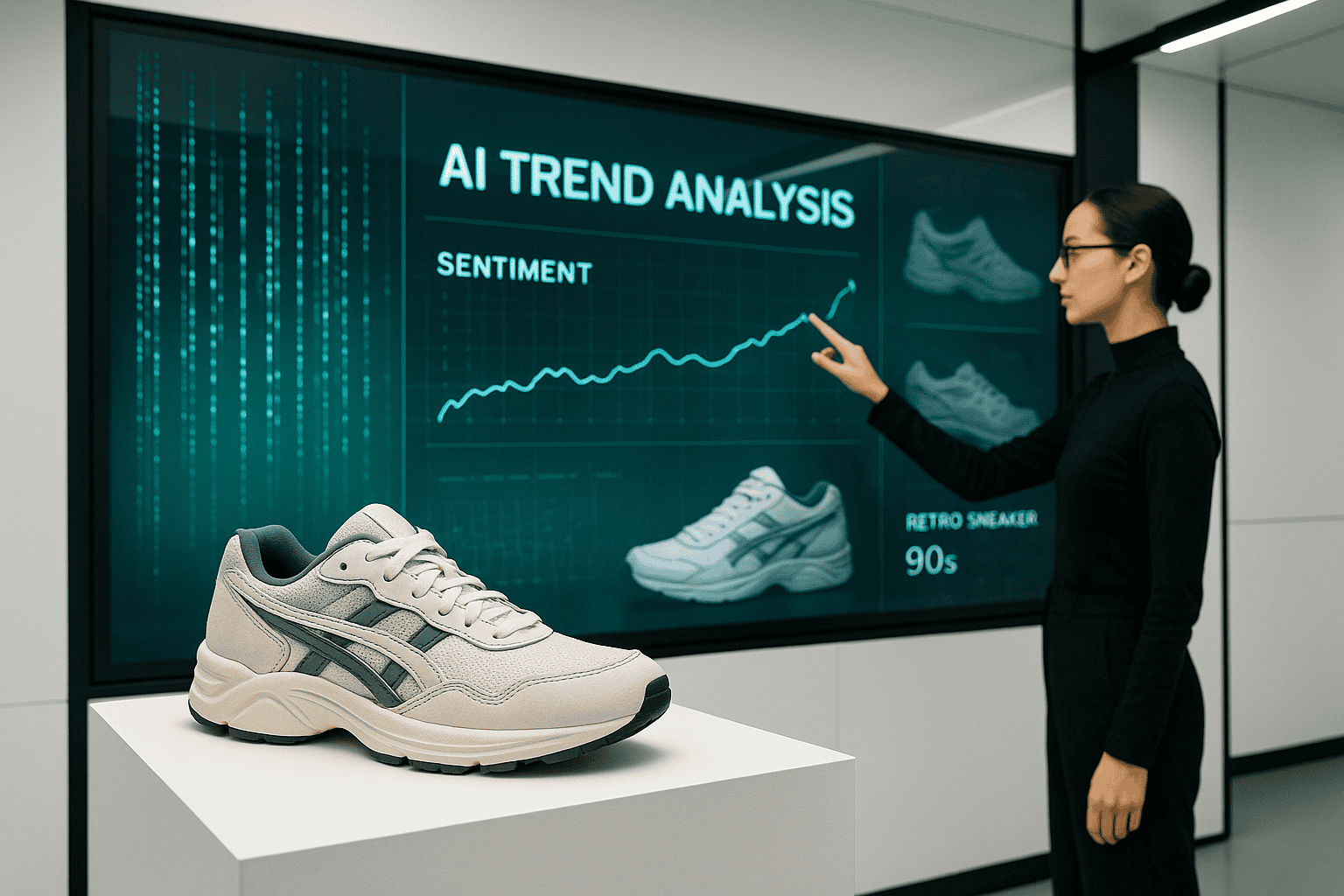
Once the data is collected, the next step is teaching the AI what to look for. This involves training computer vision models to identify specific aesthetic signals, the visual DNA of a trend. It’s about distinguishing between a genuine, emerging style and temporary social media noise. For instance, an AI can be trained to recognize the specific silhouette of a trail running shoe, the texture of a fleece jacket, or the color palette associated with a new sport.
This ability to differentiate signal from noise is crucial. The AI learns to spot patterns that indicate authentic adoption within a niche community, filtering out one off influencer posts or paid promotions that don’t reflect genuine interest. It’s a level of AI retail market trend analysis that provides a clear, unbiased view of what’s actually gaining traction.
Identifying the crossover moment
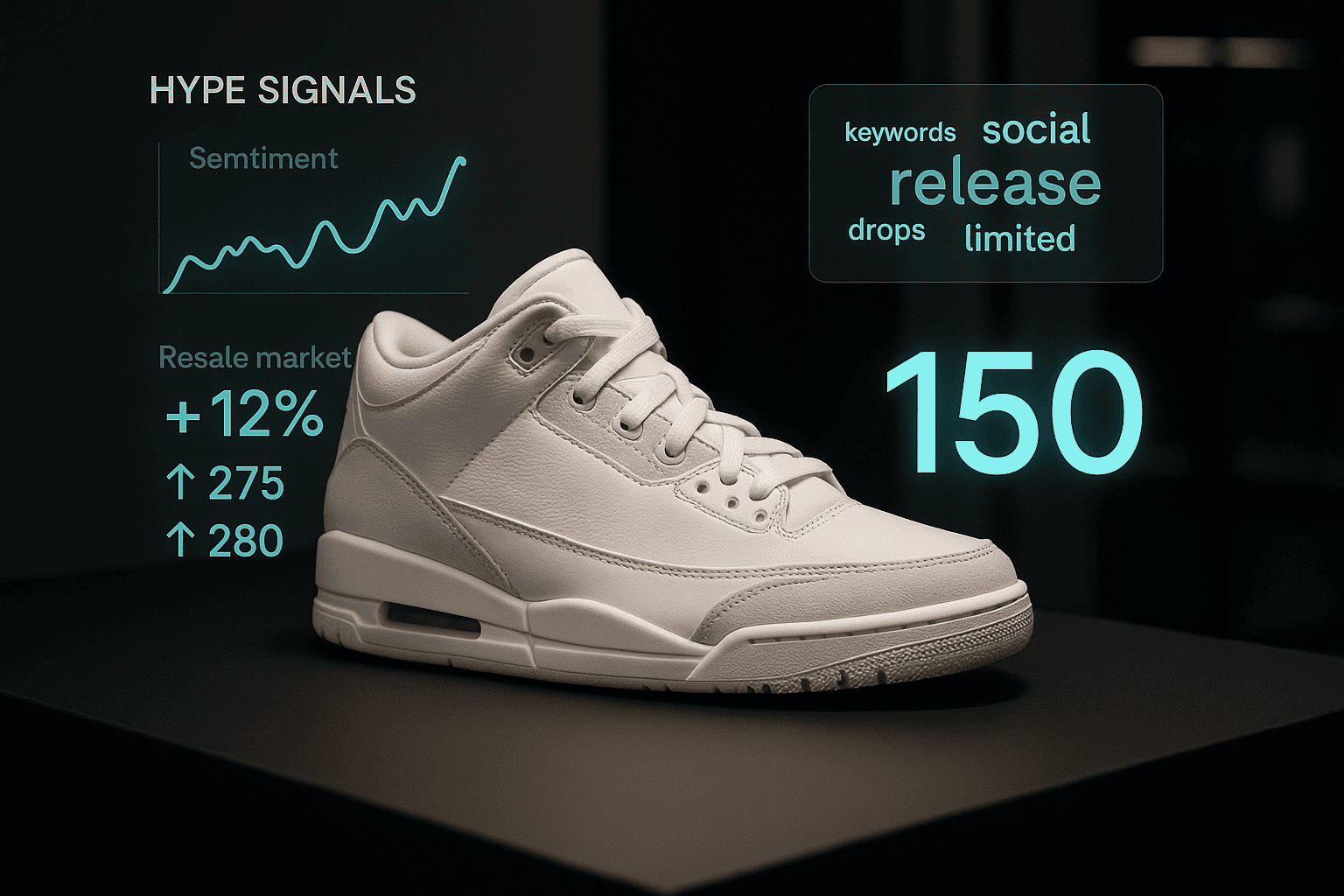
The final piece of the puzzle is knowing when a niche aesthetic is about to break into the mainstream. AI systems analyze a unique set of metrics to pinpoint this tipping point. These are the signals that a trend is moving from the “Aspirational” stage to the “Influencer” stage of the funnel.
Key indicators that an AI tracks include:
- Adoption by adjacent influencers
When lifestyle or fashion influencers who are not athletes in that specific sport begin adopting the aesthetic.
- Shift in language
Tracking mentions and captions to see if the conversation shifts from technical performance to style and everyday use.
- Search volume
A spike in search queries for specific niche brands or technical terms from a broader geographic and demographic audience.
- Mainstream media mentions
The appearance of the trend or its key items in online fashion magazines and blogs.
When these metrics hit a certain threshold, the AI flags the trend as having high crossover potential, giving brands a critical head start.
A real world example how AI could have predicted the gorpcore boom
The rise of “gorpcore” is a perfect case study. What started as practical gear for hikers and climbers, think fleece jackets, waterproof shells, and trail running sneakers, is now a staple in high fashion and streetwear. An AI system could have tracked this evolution systematically.
First, the AI would have detected increased engagement with specific brands like Arc’teryx and Salomon on niche hiking forums and among professional climbers on social media. Next, it would have identified linguistic signals, as the language around these products shifted from pure function to aesthetic appreciation. Finally, it would have flagged the network signals, tracking how the aesthetic spread from athlete accounts to streetwear influencers in cities like New York and Tokyo, signaling the crossover. This insight allows for AI for inventory management that aligns stock with emerging demand, preventing costly overstock.
Putting predictive insights into action
Identifying a trend early is only half the battle, the real value comes from turning that insight into action. When a brand knows which aesthetics are gaining momentum, it can make smarter, data driven decisions across the entire business.
These predictive insights create a powerful competitive advantage. They inform everything from initial product design and material sourcing to inventory allocation and marketing campaigns. Here are a few key benefits.
- Smarter product development
Design teams can create collections that are culturally relevant and aligned with consumer demand before it even peaks.
- Optimized inventory investment
Brands can confidently invest in the right products for the right channels, reducing the risk of markdowns and improving sell through.
- Targeted marketing campaigns
Marketing teams can craft authentic messages that resonate with early adopters and guide the trend as it enters the mainstream.
Stay ahead of the next cultural wave
The future of fashion and sportswear retail belongs to the brands that can see around the corner. In a world of fleeting trends and hyper-fast fashion cycles, relying on last season’s data is no longer enough. The ability to spot, analyze, and act on the aesthetics emerging from niche sports and subcultures is what separates market leaders from followers.
By leveraging sophisticated technology, brands can move beyond reactive trend chasing and adopt a proactive strategy. It’s about understanding the cultural journey of an idea, from a small community of purists to a global phenomenon, and having the foresight to meet that demand every step of the way.
Frequently asked questions
Q: What is AI trend forecasting in fashion?
A: AI trend forecasting in fashion is the use of artificial intelligence and machine learning to analyze massive datasets, from social media and e-commerce to niche forums, to identify and predict emerging apparel trends, styles, colors, and silhouettes before they become mainstream.
Q: How is AI better than traditional trend forecasting?
A: AI is faster, more scalable, and less biased than traditional methods. It can analyze millions of data points in real time to uncover subtle patterns that human analysts might miss, providing a more objective and data-driven view of what consumers will want next.
Q: Can AI really predict what people will wear?
A: AI doesn’t predict the future with absolute certainty, but it identifies emerging patterns with a high degree of probability. By tracking a trend’s velocity and adoption rate through different communities, it provides a powerful forecast of its potential to reach the mainstream market.
Q: What kind of data is needed for AI to spot trends?
A: A wide variety of data is used, including visual data from social media and runway shows, sales data from e-commerce sites, search query trends, and text data from blogs, product reviews, and niche online communities. The more diverse the data, the more accurate the forecast.
Q: How can a brand get started with AI trend forecasting?
A: Brands can start by identifying their key challenges, whether it’s reducing overstock or innovating faster. The next step is often selecting and partnering with a retail AI vendor that has expertise in the fashion industry and can tailor a solution to their specific needs.