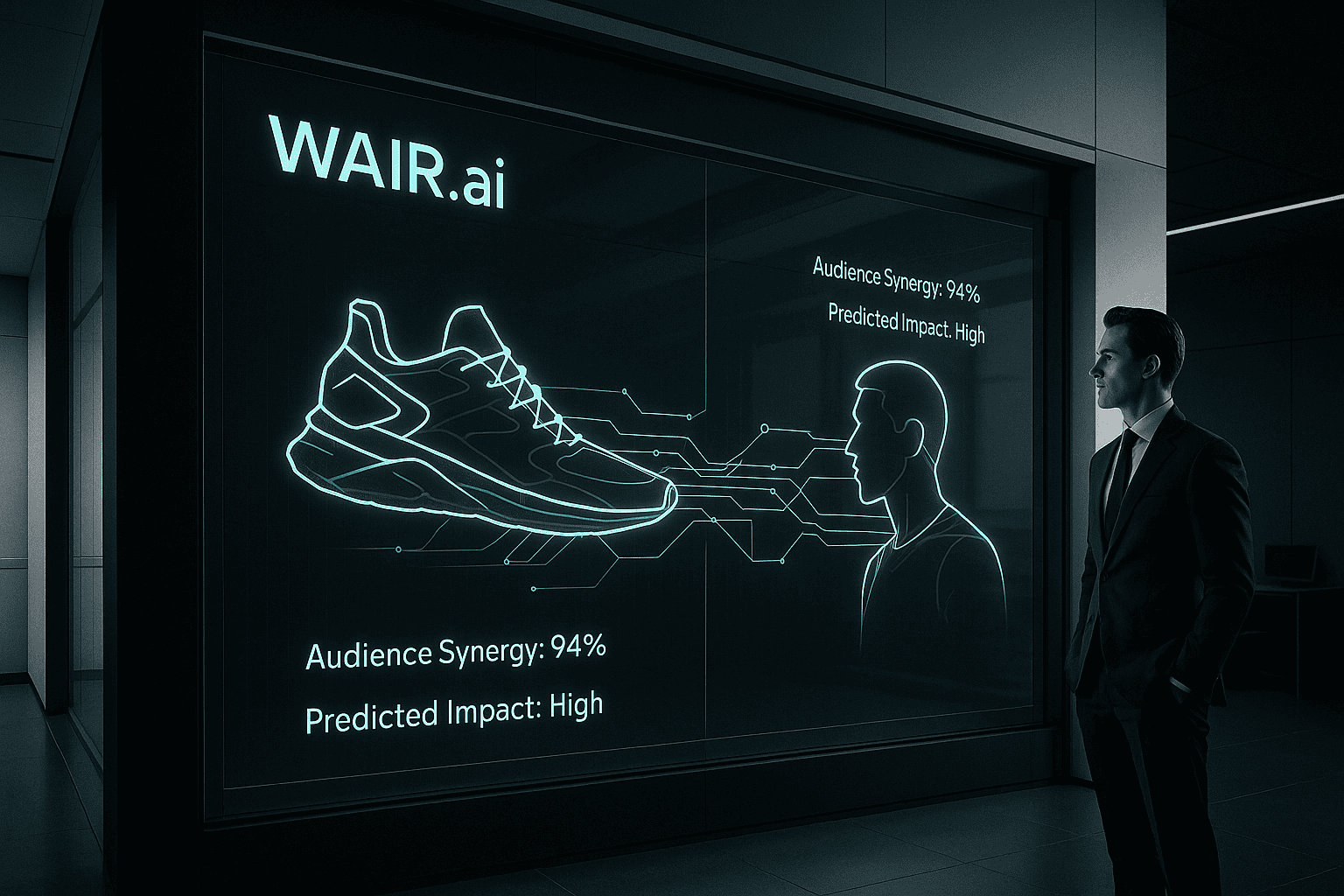
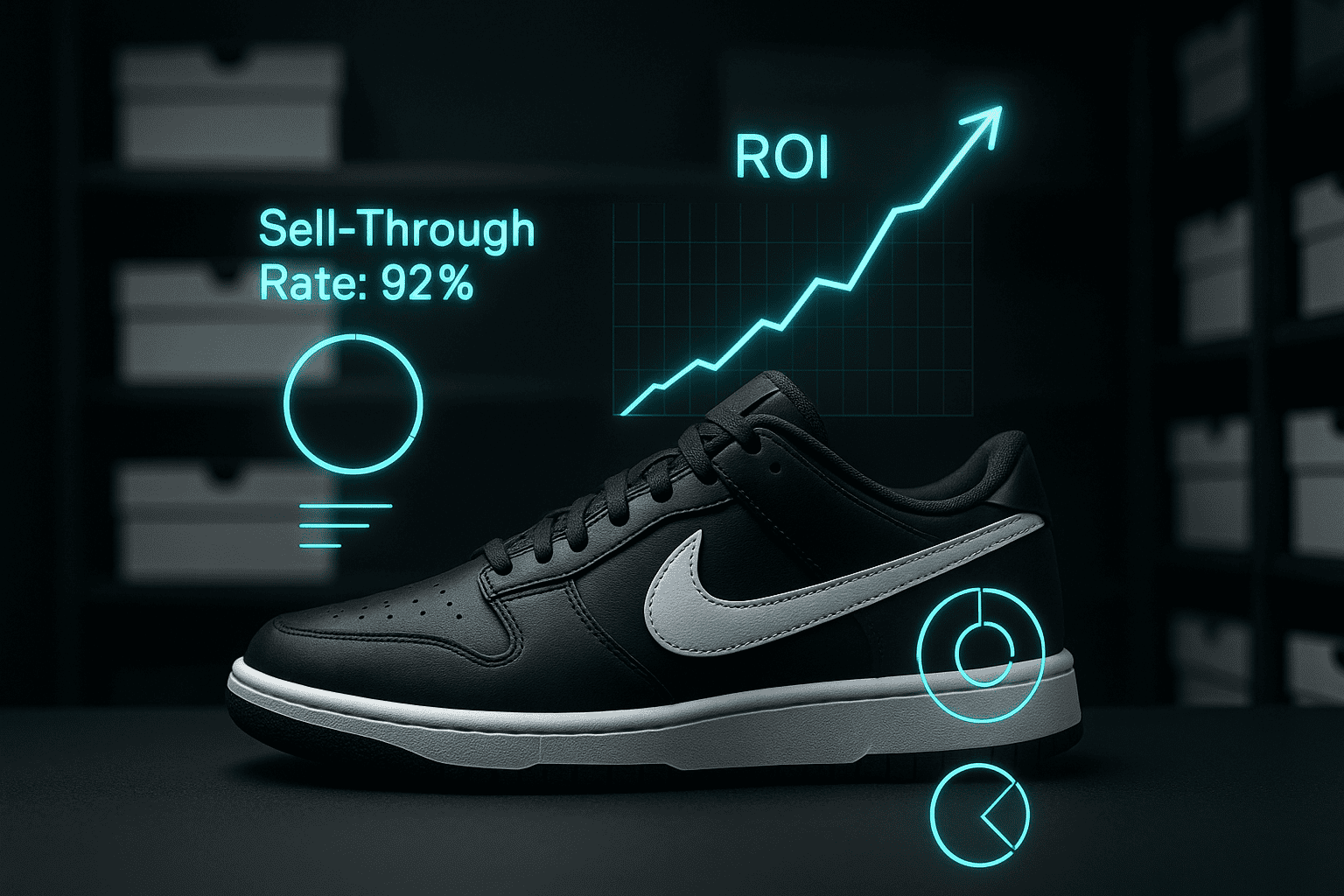
Ever wonder why some limited edition sneaker drops sell out in seconds, leaving money on the table, while others end up sitting on shelves? The difference often comes down to one critical miscalculation, failing to predict hype accurately. Traditional inventory methods look at past sales, but for a one-time drop, the past is an unreliable guide. This is where the game changes.
Understanding how to leverage predictive AI inventory for sneaker drops can dramatically enhance your chances of success in this fast-paced market.
By utilizing predictive AI inventory for sneaker drops, brands can effectively align their production strategies with consumer expectations.
Predicting the demand for a product that has never existed before feels like guesswork. For fashion brands, this guesswork can lead to millions in lost revenue from underproducing a hit or being saddled with overstock from a miss. But what if you could translate online buzz, influencer mentions, and resale market whispers into a precise production number? This is precisely what agentic AI for inventory management is designed to do, turning cultural hype into a quantifiable asset.
Why traditional forecasting fails for limited drops
Traditional demand forecasting is built on a simple premise: what happened yesterday is likely to happen tomorrow. It analyzes historical sales data to project future demand, which works well for products with a stable sales history, like a classic white t-shirt. However, this model completely breaks down when applied to the volatile, high stakes world of limited edition sneaker drops.
These products are defined by their novelty and cultural relevance, meaning they have no direct sales history. Relying on data from last year’s collaboration or a similar colourway ignores the unique variables that make each drop a singular event. This approach is like trying to navigate a new city with an old map. You’ll be completely unprepared for the reality on the ground.
The limits of historical data
Traditional methods fall short because they cannot process the real drivers of demand for a limited release. An agentic AI company like WAIR.ai understands that to succeed, you need a system that learns from the right inputs.
The key factors that legacy systems miss are:
- Collaborator influence
The cultural weight of a collaborator, like a musician or an artist, is a massive demand driver that has no equivalent in standard sales data.
- Cultural moments:A sneaker’s relevance can explode overnight due to a celebrity sighting or a viral social media trend, factors that are invisible to historical reports.
- Community sentiment
The sneakerhead community’s reaction on platforms like Reddit, Instagram, and X provides a real-time gauge of a drop’s potential success or failure.
- Scarcity perception
The announced production number itself influences demand, creating a feedback loop that traditional forecasting cannot account for.
The hype signal matrix your AI’s fuel
Instead of looking backward, predictive AI looks at the present to forecast the future. It works by aggregating and analyzing vast amounts of unstructured data from across the internet, identifying the patterns that signal future demand. Think of it as the ultimate “legit check” for your inventory planning. Mastering this requires knowing which signals to listen to.
This is the core of AI driven demand forecasting. The system sifts through the noise to find the signals that matter, translating chatter into a clear production directive.
Key data sources for predictive AI
To build an accurate picture of future demand, an AI model needs to be fed a rich diet of real time cultural data. These inputs, or “hype signals,” are the fuel that powers its predictions.
Here’s a breakdown of the most critical data sources:
- Social media sentiment
The AI analyzes conversations, comments, and posts across platforms like X, Instagram, and TikTok to determine if the overall buzz is positive, negative, or neutral.
- Influencer and collaboration metrics
It evaluates the collaborator’s follower engagement, the performance of their past drops, and their current cultural relevance to weigh their impact.
- Search and trend data
Spikes in Google search volume for the sneaker’s name or related terms are powerful indicators of growing consumer interest.
- Resale market indicators
Pre-release prices on platforms to offer a direct financial measure of market demand before the drop even happens.
Choosing your model how AI translates hype into numbers
So, how does an AI take a tweet or a spike in Google searches and turn it into a specific number of pairs to produce? It uses different types of machine learning models, each with a specialized job. You don’t need to be a data scientist to understand the concepts. It’s about using the right tool for the right task.
An effective AI forecasting tool combines several models to create a holistic view. This multi-layered analysis is what separates a true predictive system from a simple analytics dashboard.
The AI models behind the magic
Think of these models as a team of specialists, each analyzing the hype from a different angle to build a complete picture.
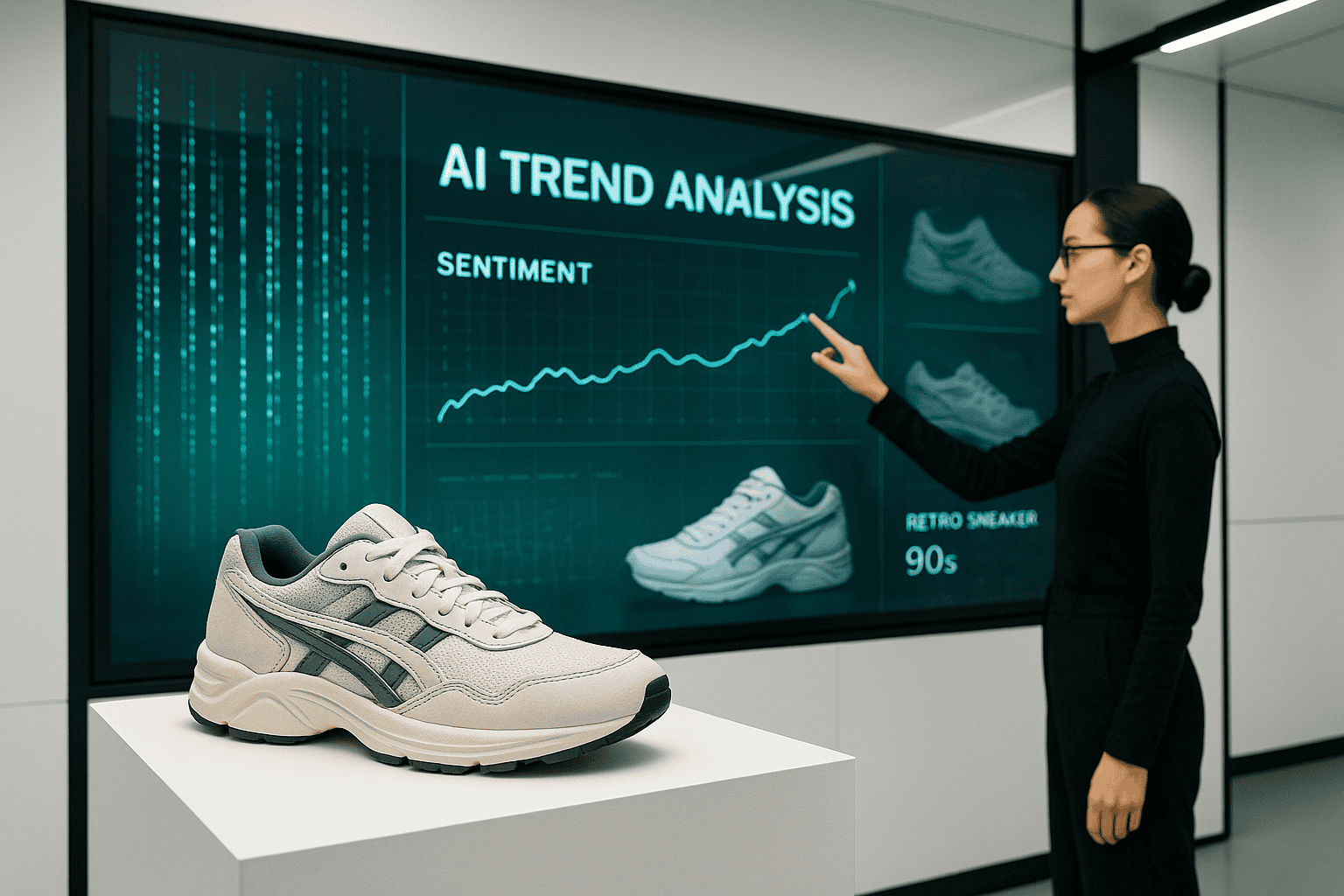
- Sentiment analysis
This model acts as the vibe check, reading online conversations to determine if the hype is genuine excitement or critical backlash.
- Time series forecasting
This tracks how hype builds over time, answering questions like “Is interest growing faster for this drop than for previous successful drops?” as the release date approaches
.
- Regression models
This model identifies cause and effect, determining exactly how much a specific event, like a mention from a top tier celebrity, impacts the overall demand forecast.
From prediction to production using a conceptual blueprint
Bringing this all together doesn’t require you to build an AI from scratch. The key is understanding the process so you can effectively leverage a solution. Implementing an agentic AI retail merchandising system follows a logical path from raw data to a confident, data-backed production decision.
A simple framework for how predictive AI moves from hype analysis to an optimal inventory number.
- Data aggregation
The system pulls in data from all the sources in the Hype Signal Matrix, collecting everything from social media mentions to search trends in one place.
- Feature engineering
This is where the magic happens. The AI quantifies the raw data, turning abstract concepts like “buzz” into concrete numbers. For example, it assigns a higher weight to a mention from an A list celebrity than from a micro influencer
- Model training
The AI analyzes the quantified data against the outcomes of past sneaker drops, learning which signals are the most reliable predictors of high sell through rates and which ones are just noise.
- Prediction and production
The trained model delivers a final output: a precise number of units to produce to meet the predicted demand, maximizing sales while minimizing the risk of damaging overstock.
Turn volatility into predictable profit
Navigating the world of limited edition drops will always have its challenges, but your inventory strategy no longer needs to be one of them. By shifting from rearview mirror forecasting to forward looking predictive analysis, you can stop guessing and start making decisions based on what the market is telling you right now.
This approach empowers brands to move with confidence, ensuring every drop is calibrated for maximum impact. By leveraging the power of agentic AI, you can finally align production with true demand, protecting your margins and strengthening your brand’s connection with its most passionate customers. When you are ready to explore how this works in practice, a great next step is understanding how to ? Select and partner with a retail AI vendor.
Frequently asked questions
How can AI predict demand for a new sneaker with no sales history?
AI for sneaker drops relies on real time “hype signals” instead of historical sales data. It analyzes social media sentiment, influencer engagement, search trends, and pre release resale prices to build a demand forecast from the ground up for products that have never been sold before.
What is the difference between traditional forecasting and AI for drops?
Traditional forecasting looks backward at past sales data to predict the future, which is ineffective for unique, limited edition products. AI forecasting looks at current, forward looking data like online buzz and cultural trends to predict demand for new items.
Can this AI account for things like bots and raffle systems?
Yes, advanced AI models can be trained to identify and filter out inorganic demand signals. By analyzing patterns, an AI can differentiate between genuine customer interest and the skewed demand created by bots or raffle entries, leading to a more accurate final production number.
Is this type of AI only for large brands like Nike?
While large brands were early adopters, agentic AI solutions are becoming more accessible for mid sized and growing fashion brands. The core benefit of maximizing sell through and minimizing risk is valuable for any company operating in a hype driven market.