Have you ever noticed how a vintage sneaker or a classic tracksuit, once relegated to old photos, suddenly appears everywhere? One season it’s the Adidas Samba, the next it’s a classic New Balance silhouette. This isn’t random, it’s the result of a powerful nostalgia cycle. For fashion brands, predicting the next big retro sportswear comeback is a multi million dollar question. The answer increasingly lies not in gut feelings, but in artificial intelligence that can sift through decades of culture to spot the next retro goldmine.
Understanding these resurgences is about more than just seeing a trend. It’s about leveraging a predictable pattern in consumer behavior. With the right approach, brands can move from reacting to trends to strategically orchestrating their return, ensuring they have the right product, in the right place, at the perfect moment. The retro sportswear comeback reflects not only a shift in consumer preferences but also a revival of iconic styles that resonate with both nostalgia and contemporary aesthetics.
Why nostalgia sells understanding the fashion cycle
Before we explore how AI works its magic, it’s crucial to understand the pattern it’s looking for. Fashion, especially sportswear, often operates on a nostalgia loop, typically spanning 20 to 30 years. This is the sweet spot where items from one generation’s youth become objects of fascination for a new, younger audience. This cycle provides a predictable rhythm that, until recently, was tracked manually by trend forecasters.
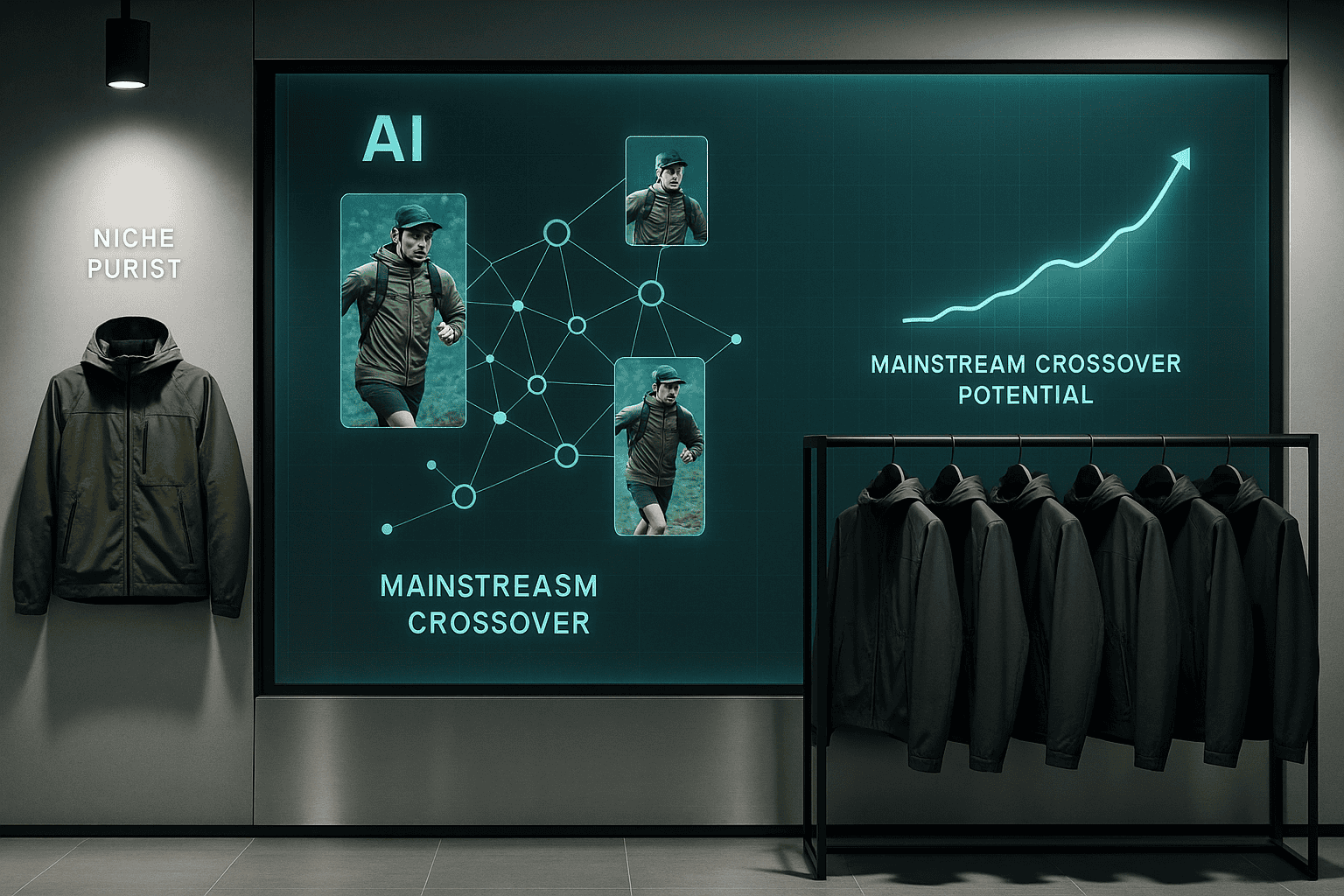
The challenge is that today’s cycles are faster and more fragmented than ever. A trend can bubble up from a niche online community and hit the mainstream in weeks. This is where human analysis struggles to keep pace, and where AI provides a decisive advantage. It can monitor thousands of these digital campfires simultaneously, identifying the sparks that are about to ignite. This is a core part of effective AI for inventory management, ensuring you are stocked for what’s coming next.
The AI trend spotter’s toolkit
Think of an AI trend forecaster as a detective with superpowers. It uses specialized tools to gather and analyze clues from a vast digital landscape, piecing together a picture of what’s next. This process relies on two core technologies and a diverse set of data sources to work effectively.
These tools don’t just look at what’s popular now, they look for the rate of change. An AI model can see if mentions of “80s windbreakers” are accelerating, if the color palettes in social media images are shifting, or if sales of a forgotten sneaker model are quietly ticking up on vintage marketplaces.
The primary technologies an AI uses are:
- Natural language processing
This allows the AI to understand the context, emotion, and sentiment behind text online, from Instagram captions and TikTok comments to detailed discussions on Reddit forums.
- Computer vision
This technology enables the AI to analyze images and videos, identifying specific clothing items, logos, colorways, and even entire aesthetics without needing a human to tag them.
To make accurate predictions, these AI tools ingest and analyze data from several key areas. Each source provides a different piece of the puzzle, from historical context to real time public sentiment.
This combination of data gives an AI a comprehensive view. It understands the history of a style, sees how people are reinterpreting it today, and tracks whether that interest is translating into actual purchasing behaviour. An advanced AI inventory management software can use these signals to prepare your supply chain.
A framework for predicting the resurgence
Identifying a potential trend is one thing, validating it and turning it into a successful strategy is another. WAIR.ai, as an agentic AI company, helps brands operationalize these insights. This is achieved through a structured framework that transforms raw data into a clear, actionable plan for managing a product’s hype cycle.
Step 1 Data aggregation
The process begins by gathering vast amounts of unstructured data. This includes scraping social media for images and mentions, analyzing sales data from vintage e-commerce sites, and digitizing archival fashion magazines and catalogs. The goal is to create a comprehensive dataset that covers a style’s past and present.
Step 2 Pattern recognition
Using computer vision, the AI scans this massive image library to identify recurring patterns. It might spot the re-emergence of a specific sneaker silhouette, a particular logo placement, or a color combination from a past era. It connects dots that a human researcher might miss.
Step 3 Sentiment analysis
Simultaneously, natural language processing tools analyze the text associated with these patterns. Is the sentiment positive and genuine, or is it ironic? Are discussions happening in influential fashion subcultures or just broad, generic accounts? This step gauges the authenticity and strength of the emerging interest.
Step 4 The prediction scorecard
The AI then quantifies these findings, creating a “prediction score” for a particular retro item. This score is based on factors like the velocity of new mentions, the influence of the communities discussing it, and the alignment with broader macroeconomic and cultural moods. This helps prioritize which trends have the most commercial potential.
Step 5 Translating prediction into strategy
This is the most critical step. The prediction is used to inform a complete hype cycle strategy. This includes determining the right time to re-release a product, planning the initial inventory allocation to build scarcity, and developing a marketing narrative that connects with the nostalgia driving the trend. This is where fashion retail stock allocation strategy becomes vital.
Bringing a retro classic back to life
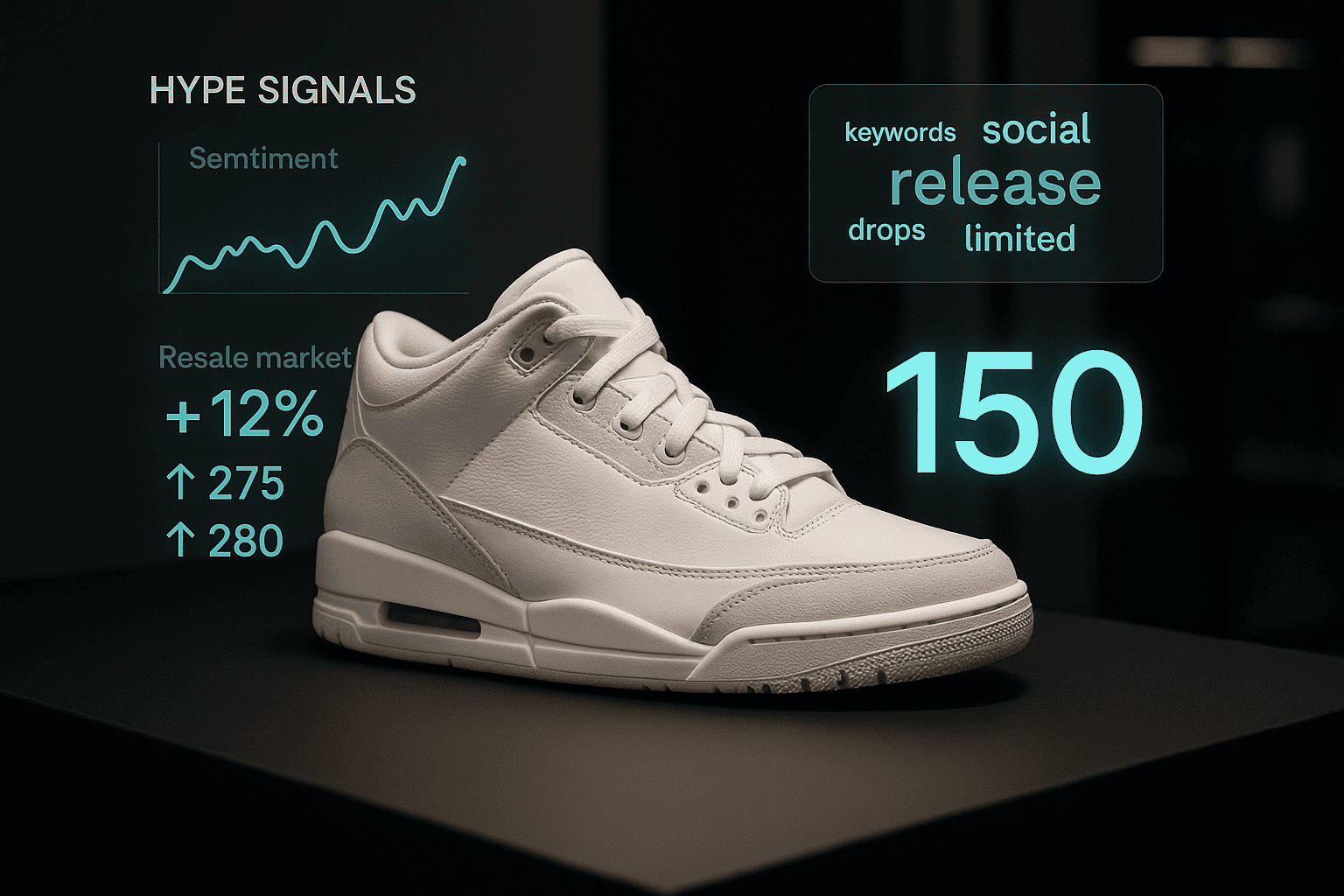
Let’s imagine a brand wants to relaunch a classic 90s basketball sneaker. Instead of relying on intuition, they use an AI model. The AI analyzes archival images of the shoe, tracks a recent uptick in sales on vintage platforms, and detects positive sentiment in niche sneakerhead forums on Reddit.
The AI generates a high prediction score. Based on this, the brand develops a tiered launch strategy. A limited initial drop is allocated to key city stores identified by the AI as having high social media engagement around 90s fashion. As the hype builds, a wider retail replenishment plan is activated to meet growing demand without overstocking. The marketing team uses the AI’s sentiment analysis to craft campaigns that resonate with the exact feelings of nostalgia that are driving the trend.
This data-driven approach transforms a risky bet into a calculated and highly profitable venture, directly impacting sell-through rates and margin protection. It’s a clear example of how agentic AI in retail merchandising acts as a profit engine.
Mastering the comeback with predictive intelligence
The resurgence of retro sportswear is no longer a game of chance. By leveraging artificial intelligence, brands can understand the deep cultural currents that bring classic styles back into the spotlight. This isn’t just about spotting a trend, it’s about mastering its entire lifecycle, from the earliest whispers in niche communities to its peak in the mainstream market.
This predictive power allows brands to align their inventory, marketing, and allocation strategies with genuine, emerging demand. The result is less waste from overproduction, higher sell-through on coveted items, and a stronger connection with consumers who feel the brand truly understands their style. By embracing these tools, companies can turn nostalgia into their most predictable and profitable asset.
Frequently asked questions
Q: What are AI models for predicting fashion trends?
A: They are complex algorithms that analyze massive datasets, including social media, sales data, and historical archives, to identify patterns and forecast which clothing styles, colors, and items will become popular in the future.
Q: How does AI analyze social media for trends?
A: AI uses natural language processing to understand the sentiment and context of text in captions and comments, and computer vision to identify specific items, logos, and aesthetics in photos and videos, tracking how frequently they appear and in what context.
Q: What kind of data is most important for predicting retro trends?
A: For retro trends, a combination of three data types is crucial: archival data for historical context, vintage marketplace data to track current demand for original items, and social media data to gauge new interest and sentiment.
Q: Can smaller brands use AI for trend forecasting?
A: Yes, while large scale implementations can be complex, the principles can be applied at any scale. Smaller brands can leverage social listening tools and analyze niche community trends to make more informed decisions without needing a massive data science team.
Q: What are the limitations of AI in fashion forecasting?
A: AI models are only as good as the data they are trained on and can have biases. They are excellent at identifying patterns based on past data but may struggle to predict entirely novel or counter-cultural trends that have no historical precedent. Human oversight remains essential.